How Did Stars Transition From Silent to Sound Films in Hollywood?
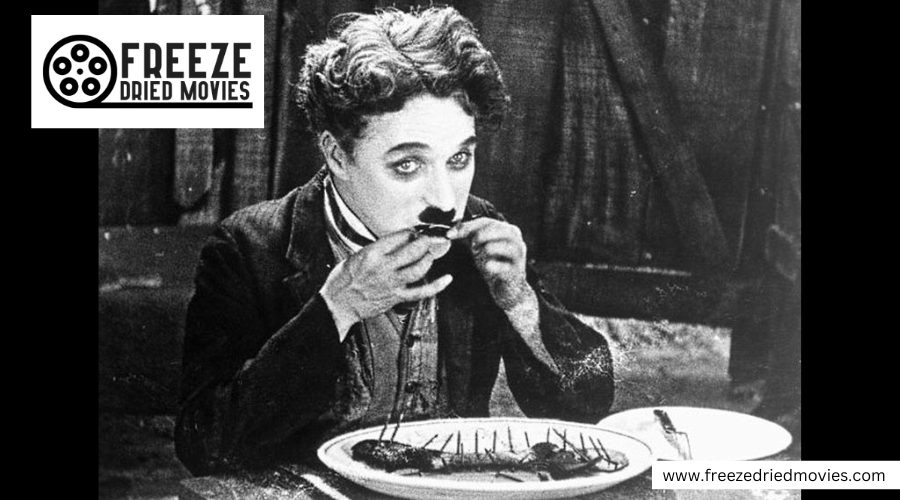
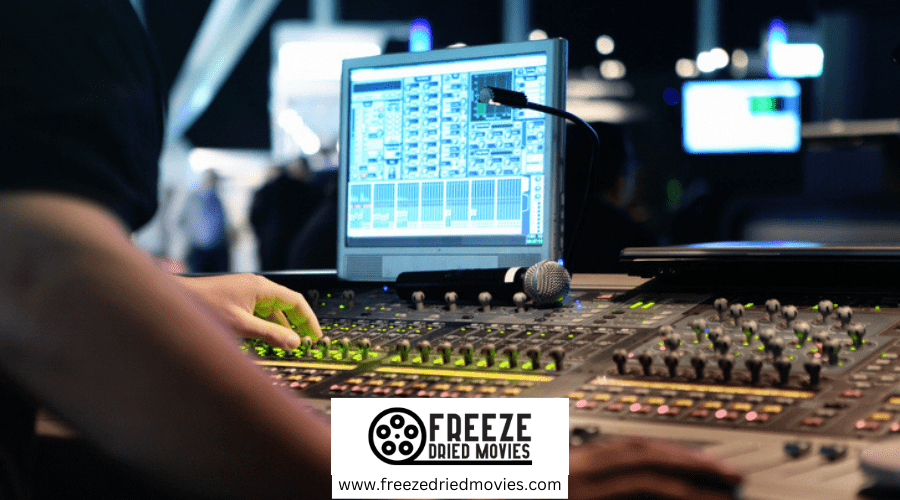
As Hollywood transitioned from silent to sound films, actors encountered a range of technical challenges and personal adjustments. The introduction of sound required quieter cameras and precise microphone placement, demanding that actors modify their performances to stay within range for optimal audio capture.
Vocal training became crucial, focusing on clarity and projection, and actors with pronounced accents faced difficulties securing roles. Publicity strategies evolved, incorporating radio interviews and magazine features to showcase actors' vocal talents. While some stars like Greta Garbo and Charlie Chaplin successfully adapted and flourished, others found the transition more difficult and faded from prominence.
This shift not only transformed individual careers but also fundamentally altered the landscape of Hollywood. This exploration reveals how certain actors navigated these changes and emerged successful.

Early Sound Technology Challenges
The introduction of sound to film during the early Hollywood era marked a significant technological and artistic shift, fundamentally altering film production and audience experience. Initially, filmmakers grappled with numerous technical limitations that impacted the sound quality of 'talkies.' Cameras were loud, microphones captured sound only from short distances, and soundproofing was basic, often resulting in poor audio capture. This meant that actors had to stand unnaturally close to each other to be heard, and any camera noise inadvertently became part of the film's soundtrack, leading to audio that was often hollow and tinny.
Despite these challenges, the transition to sound films was crucial, enriching the cinematic experience by incorporating spoken dialogue and ambient sounds. This period highlights the resilience and creativity of filmmakers, who navigated these obstacles to transform how stories were told and experienced on screen. Understanding these early difficulties underscores the evolution of film technology and the enduring pursuit of enhancing cinematic realism and audience engagement.
Vocal Training and Adaptation
Many silent film stars were compelled to undergo intensive vocal training to meet the requirements of the emerging sound film era. With the advent of talkies, an actor's voice became as crucial as their visual presence. The introduction of sound meant that the clarity, tone, and articulation of an actor's voice became critical. Vocal coaches played a pivotal role behind the scenes, helping actors hone their vocal abilities for the microphone.
Here are the key components of the typical vocal training program:
- Diction and Clarity: Actors learned to articulate words clearly to ensure the audience could understand every word.
- Volume and Projection: Actors developed the skill to project their voices appropriately, matching the needs of early audio recording technologies without resorting to shouting.
- Accent Reduction: Many actors worked to minimize or modify their natural accents to cater to a broader audience.
- Adapting Performance Styles: Actors transitioned from the exaggerated gestures of silent films to subtler performances that complemented their spoken words.
This training was essential not only for maintaining an actor's career but also for reshaping their approach to performance, ensuring their voices had an impact both on set and throughout the evolving sound-dominated cinema landscape.
Marketing New Sound Stars
Studios strategically promoted their sound film stars, using publicity tours, radio interviews, and magazine covers to engage audiences across the country. As silent film stars transitioned to sound films, studios focused on those who excelled, emphasizing their vocal skills and charismatic personas. The promotional efforts were comprehensive, ensuring each film release was an event, filling theaters, and saturating the media landscape with advertisements.
Here's an overview of the marketing strategies employed:
| Strategy | Purpose | Medium |
|---|---|---|
| Publicity Tours | Personalize stars, generate local buzz | In-person appearances |
| Radio Interviews | Highlight vocal talent, broad reach | Broadcasts |
| Magazine Covers | Enhance visual and mass appeal | Print Media |
Each strategy was crucial in making the transition to sound films not only a technological advancement but also a culturally significant shift. This orchestrated effort effectively transformed Hollywood, marking a new era in cinema.
Career Impacts on Silent Stars
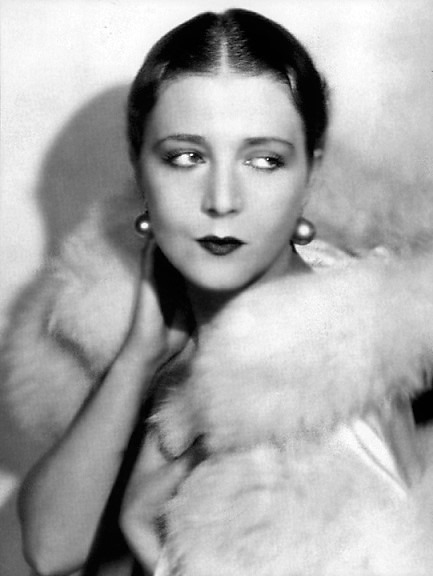
As the film industry transitioned from silent to sound cinema, numerous iconic stars experienced significant alterations in their career trajectories. This period was marked by technological advancements and profound personal and professional challenges for these actors.
- Vilma Banky - Renowned for her silent film charm, Banky encountered a major setback when her Hungarian accent became apparent in sound films. This revelation led to a substantial decrease in her roles and a corresponding decline in her popularity.
- Mae Murray - Murray's career suffered not only due to the transition to sound films but also because of her volatile marriage to David Mdivani. This personal turmoil affected her professional relationships, particularly with MGM, complicating her adjustment to the new sound film era.
- Pola Negri - Negri's initial foray into sound films was unsuccessful, prompting her to relocate her career to Europe. This move underscores the necessity of adaptability during this transformative period, as it could determine the continuation or cessation of an actor's career.
- Constance Talmadge - After several unsuccessful sound films, Talmadge received advice from her sister Norma to consider retiring from acting. This recommendation highlights the extreme steps some actors contemplated in response to the challenges posed by the sound era.
These examples reflect not just a shift in technology but crucial moments that reshaped careers and legacies within Hollywood.
Audience Reception to Talkies
Audiences swiftly adopted talkies, appreciating their ability to provide a more realistic and immersive cinema experience. Unlike silent films, talkies added a new layer of engagement through synchronized voices, ambient sounds, and musical scores, enhancing the emotional depth of the narratives. This transformation enriched the movie-watching experience by making it more engaging and relatable.
However, the transition also had its challenges. Audiences noticed more apparent edits in talkies than in silent films, where seamless transitions were more common. This issue was likely due to the nascent stage of sound technology. Despite these initial setbacks, the response to talkies was predominantly positive. The inclusion of spoken dialogue and natural sounds attracted larger audiences to theaters, significantly increasing box office revenues.
Even Charlie Chaplin, who initially doubted the future of talkies, was proven incorrect as their popularity continued to rise. The audience played a crucial role in this shift, showing a strong preference for the enhanced narrative depth that talkies offered, which in turn permanently transformed cinema's landscape.
Legacy of Transitioning Stars
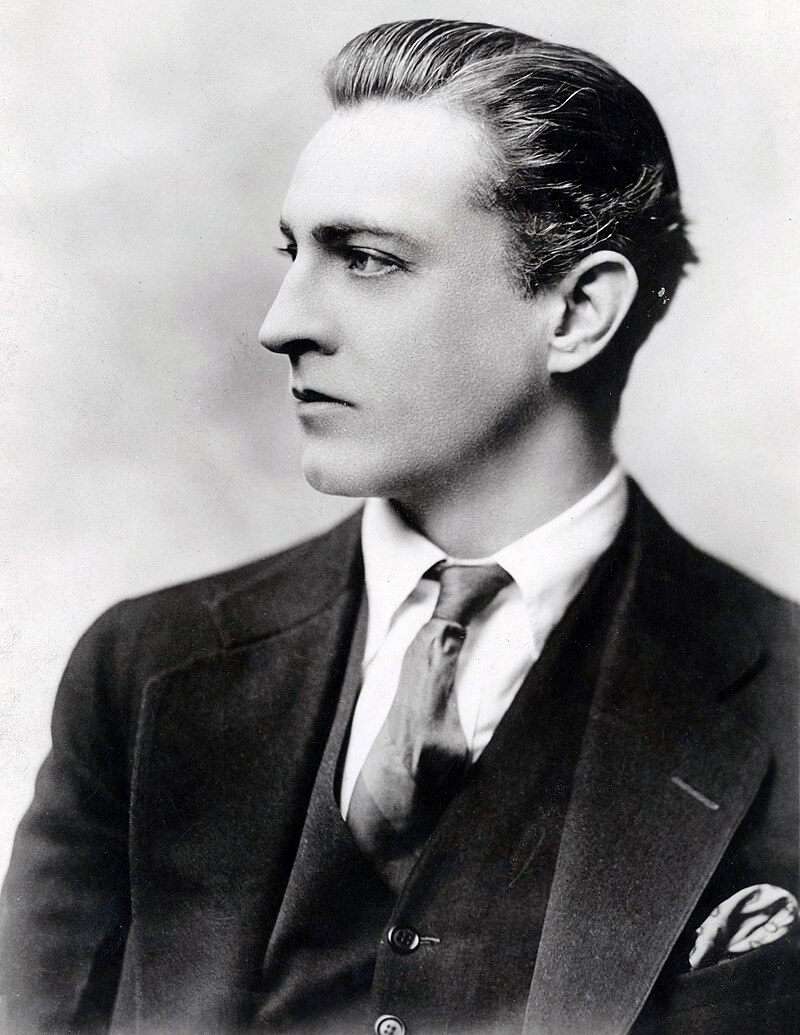
While many viewers were captivated by the enriched narratives of talkies, certain stars stood out as they transitioned to the new format. Notable among them were John Barrymore, Carole Lombard, and Boris Karloff, each leaving a significant legacy in Hollywood's golden era.
Here's what distinguished them:
- John Barrymore: Known for his stage-trained voice, Barrymore excelled in talkies, captivating audiences in films like 'Grand Hotel.' His mastery of vocal expression allowed him to engage deeply with his roles.
- Carole Lombard: Initially successful in silent films, Lombard's transition to talkies was seamless. Her dynamic and energetic performances in comedies during the 1930s made her one of Hollywood's highest-paid stars.
- Boris Karloff: Famous for his portrayal of Frankenstein's Monster, Karloff's deep, menacing voice became iconic in horror talkies, solidifying his stardom with performances in films like 'The Mummy.'
- Legacy Impact: These stars weren't merely adaptive; they excelled, setting benchmarks for vocal performance that influenced future generations. Their success in talkies demonstrated that dynamic vocal expression was as crucial as visual presence, permanently altering the landscape of cinematic storytelling.
This blend of talent and adaptability not only preserved but also enhanced their legendary status, showing how crucial adaptability and vocal performance are in the evolving cinematic landscape.
Conclusion
The transition from silent to sound films in Hollywood was more than a technological shift; it fundamentally altered the landscape of the film industry. Actors were required to adapt their performances to include vocal delivery, which not all silent film stars could manage effectively.
Studios faced significant risks in determining which actors would successfully make the transition. Audience reactions were crucial, directly influencing which actors succeeded in sound films and which did not. This period marked a pivotal evolution in the nature of cinematic storytelling, affecting careers and the industry as a whole.
Related posts