How Did Film Censorship and the Hays Code Control 1940s Cinema Content?
In the 1940s, the Hays Code significantly influenced American cinema by enforcing strict moral standards. It prohibited the depiction of interracial relationships, positive representations of LGBTQ+ communities, explicit childbirth scenes, and drug use. Filmmakers, therefore, adopted subtle methods to weave complex themes into their movies, using innuendo and morally driven storylines to align with these regulations.
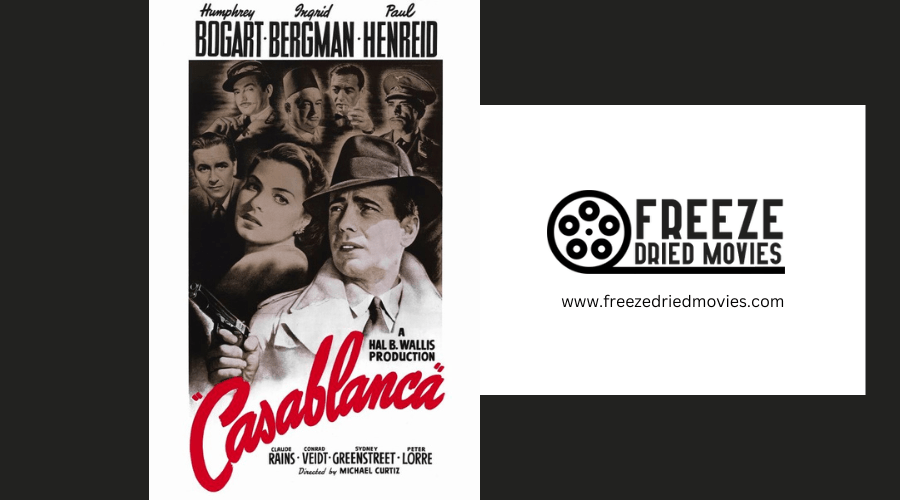
Iconic films like 'Casablanca' exemplify how directors skillfully navigated these restrictions. The Production Code Administration's rigorous oversight not only shaped the content but also the narrative techniques in filmmaking during this era, prompting filmmakers to innovate within the confines of censorship. This evolution reflects how creative constraints can lead to artistic ingenuity in cinema.
Origins of the Hays Code
The Hays Code, formally known as the Motion Picture Production Code, was implemented in 1930 to oversee the content of Hollywood films, mandating adherence to strict moral standards. Instituted during a period marked by moral concerns over perceived excesses in early Hollywood films, the Code was designed to rebuild public confidence in the movie industry. It was championed by Will H. Hays, head of the Motion Picture Producers and Distributors of America (MPPDA), and aimed to realign film content with both Catholic values and prevailing societal norms.
The genesis of the Hays Code can be traced back to the 1920s when Hollywood was marred by notable scandals involving prominent figures. These scandals not only dominated the headlines but also raised public concern about cinema's moral influence. In reaction, Hays, on behalf of the MPPDA, devised a strategy to alleviate these external pressures and avert possible governmental interference.
The creation of the Production Code Administration under the Hays Code signaled a critical transformation; this entity had the power not merely to suggest but to decisively approve or reject films based on their compliance with the code, thus significantly influencing the narrative and ethical direction of Hollywood films.
Key Provisions of the Code
Key provisions of the Hays Code rigorously controlled film content across multiple aspects, from on-screen relationships to the portrayal of criminal activities. Enforced by the Production Code Administration, this set of guidelines significantly shaped movie censorship during the 1940s. Filmmakers were required to work creatively within these constraints to tell their stories.
Here's an overview of some critical guidelines:
- Prohibition of Interracial Relationships: The Code categorically prohibited the depiction of interracial relationships, mirroring the racial biases prevailing at the time.
- Ban on Explicit Drug Use: The portrayal of drug use or addiction was forbidden, especially in a positive context, to avoid promoting such behavior.
- Regulation of Criminal Activities: The Code restricted detailed depictions of criminal acts to prevent movies from potentially serving as instructional guides for crime.
- Restrictions on Childbirth and LGBTQ+ Content: The Code barred explicit childbirth scenes and any positive depiction of LGBTQ+ relationships.
Through these regulations, the Hays Code aimed to uphold a specific moral standard in films, significantly influencing what audiences viewed on screen in the 1940s.
Impact on Film Content
The Hays Code, formally known as the Motion Picture Production Code, imposed stringent content restrictions that profoundly influenced cinema in the 1940s. This era of film censorship necessitated a shift in narrative techniques, as explicit language, overt violence, and extramarital affairs couldn't be depicted on screen. Consequently, filmmakers were compelled to adapt by embedding controversial themes through subtext and innuendo, fostering a new layer of narrative complexity in seemingly straightforward stories.
This censorship framework significantly influenced character portrayal, particularly reinforcing traditional gender roles, where men and women were depicted in very specific, socially accepted molds. The inability to directly address or show certain themes led directors to focus on wholesome dialogue and moral resolutions, indirectly promoting societal norms and expectations through cinema.
The constraints of the Hays Code not only limited filmmakers but also challenged them to innovate within these confines, leading to the development of a film language where the implication and the unsaid held as much weight as the overt narrative. Thus, the Hays Code era was marked by coded messages and subtle narrative techniques, fundamentally shaping a unique period in Hollywood's history.
Major Films Affected
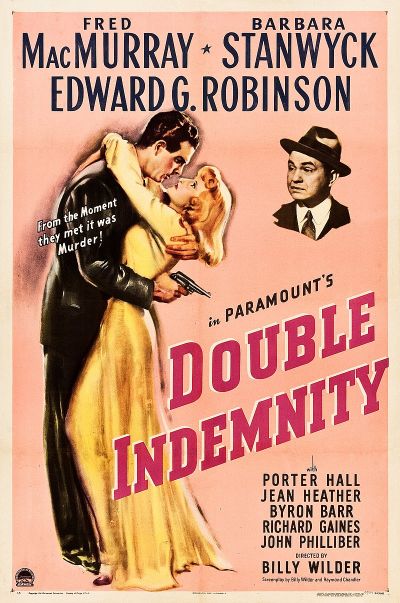
Several iconic films of the 1940s, including 'Double Indemnity' and 'Casablanca', had to creatively navigate the constraints of the Hays Code. These films, along with 'The Philadelphia Story', faced strict content restrictions that significantly influenced their narratives and character dynamics.
- 'Double Indemnity' dealt with themes of adultery and crime. It had to modify aspects that were considered morally ambiguous by the standards of the Hays Code. Although the film's raw edge was softened, it still retained a palpable tension.
- 'Casablanca' faced challenges in portraying complex romantic relationships and moral dilemmas, adapting them to adhere to the moral expectations of the time. This resulted in a more restrained romantic plot, yet it remained deeply emotional.
- 'The Philadelphia Story' provides a glimpse into how relationships were modified to comply with Hays Code regulations, focusing on themes of reformation and moral realignment rather than portraying more nuanced, flawed character interactions.
These films exemplify how 1940s cinema navigated film censorship. They demonstrate filmmakers' ability to adapt and innovate within the confines of the Hays Code, reflecting both compromise and creativity in their storytelling.
Enforcement Strategies
Filmmakers creatively adapted their work to comply with the Hays Code under the vigilant oversight of the Production Code Administration (PCA). PCA approval is required for each film to ensure adherence to the Code before any public screenings. The PCA's stringent censorship system involved thorough reviews of scripts, scenes, and promotional materials to ensure they met strict guidelines.
The enforcement process was interactive, requiring ongoing discussions with filmmakers to carefully manage the portrayal of sexuality, crime, and morality. The PCA mandated the absence of explicit content, prohibited the glorification of crime, and insisted on a sensitive depiction of moral values. Consequently, filmmakers frequently had to revise scenes or alter characters to comply with these restrictions, posing significant creative challenges.
This period in cinema was characterized by a continuous negotiation between filmmakers and the PCA, with each frame and line of dialogue potentially subject to scrutiny and adjustment. The restrictive environment fostered innovative storytelling techniques as directors and writers devised subtle methods to navigate and sometimes subtly bypass the Code's limitations.
Public and Industry Reactions
Audiences and filmmakers had varied responses to the Hays Code during the 1940s. This code was seen by some as a beneficial tool that instilled movies with socially acceptable values, particularly after previous Hollywood scandals, thereby restoring public trust in the film industry. However, many artists and viewers criticized the Hays Code for its restrictive influence on creative freedom, arguing that it limited filmmakers' ability to address complex themes.
Despite these constraints, resourceful directors and writers developed innovative methods to subtly circumvent the Hays Code, infusing their films with deeper meanings and social critiques within the code's regulations. This creative resilience highlighted the ongoing debate between the necessity of moral standards in media and the importance of artistic liberty.
These varied reactions underscore the significant impact the Hays Code had on 1940s cinema. It not only influenced film content but also fuelled discussions on censorship and the balance between moral oversight and creative expression in the arts. This dialogue reflects broader societal values and the continual negotiation between cultural norms and artistic innovation.
Decline of the Hays Code
During the 1950s, the Hays Code, which had long regulated American cinema, began to lose its influence due to a combination of judicial decisions and shifting societal norms. The U.S. Supreme Court's rulings affirmed that films were protected under the First Amendment, thereby weakening the legal basis of the Code. The growing popularity of foreign films in the U.S. also challenged Hollywood's dominance, further diminishing the Hays Code's relevance.
Efforts to update the Code to allow for greater creative freedom only served to underscore its declining authority. Filmmakers increasingly resisted the Code's restrictions, contributing to a transformation in the American film landscape by the end of the 1950s, which led to the eventual obsolescence of the Hays Code in the 1960s.
The following table summarizes the key developments and their impacts on the Hays Code during this period:
| Decade | Event | Impact on Hays Code |
|---|---|---|
| 1950s | Supreme Court Rulings | Legal authority weakened |
| 1950s | Rise of Foreign Films | Competitive pressure |
| 1950s | Revisions for Freedom | Reduced enforcement |
| 1960s | Filmmaker Rebellion | Code abandonment |
| Ongoing | Cultural Shifts | Persistent decline |
This table highlights how various factors contributed to the weakening and eventual discontinuation of the Hays Code, marking a significant transition in the film industry.
Legacy and Reevaluation
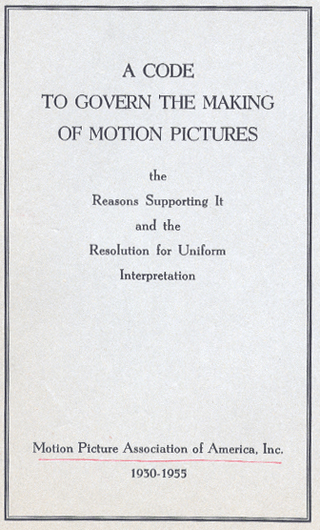
The legacy of the Hays Code continues to influence contemporary filmmaking, particularly in the areas of storytelling and self-censorship. Known officially as the Production Code, it mandated strict guidelines on content and morality in films from the 1930s to the 1960s. This era demanded that filmmakers navigate these constraints creatively, leading to a lasting impact on the art of cinema.
Here's how elements of the Hays Code persist in today's film industry:
- Innovation in Storytelling: Modern filmmakers often employ subtle techniques to address controversial subjects, reflecting the indirect methods used during the Code era.
- Complex Character Development: The nuanced characters seen in today's films can be traced back to the Code era when filmmakers had to create compelling yet compliant characters.
- Debates on Artistic Freedom: Discussions continue about the balance between creative freedom and censorship, mirroring the debates sparked by the Hays Code.
- Influence on Societal Values: Films continue to both mirror and shape societal norms, a dynamic influenced by the Code's enforcement of moral standards.
The Hays Code's impact extends beyond simple control; it fostered a nuanced approach to filmmaking that remains relevant. With the transition to the Motion Picture Association of America (MPAA), the interplay between film censorship, artistic expression, and societal values continues to evolve, maintaining a complex relationship that shapes modern cinema.
Conclusion
The Hays Code, established in the 1930s and influential through the 1940s, imposed strict moral guidelines on Hollywood films, regulating depictions of violence, sex, and criminal activity. This code significantly shaped cinematic narratives, requiring filmmakers to adapt their storytelling methods within these constraints.
The film industry and audiences had mixed responses to these regulations, with some viewing them as overly restrictive. Over time, the enforcement of the Hays Code diminished, eventually replacing it with the modern movie rating system.
Today, the impact and legacy of the Hays Code continue to be discussed and analyzed within film studies.