How Did Depictions of Native Americans Change in 1950s Westerns?
In the 1950s, Western films began to shift from portraying Native Americans as mere antagonists embodying the 'savage' stereotype to representing them as multifaceted characters. Films such as 'Broken Arrow' and 'Apache' marked this progression by offering narratives that treated Native American characters with respect and authenticity.
These films featured more accurate casting and culturally rich storytelling, fostering a sense of mutual respect and collaboration. This change challenged existing stereotypes and contributed to a more nuanced portrayal of Native Americans in cinema, setting the stage for further developments in how they were depicted on screen.
Early 1950s Stereotypes
In the early 1950s, Western films often depicted Native Americans primarily as antagonists, neglecting the richness of their cultures and individual identities. These portrayals generally lacked the complexity and depth afforded to white characters, reducing Native characters to simplistic adversaries designed for the protagonists to confront. Such representations perpetuated the damaging stereotype of the 'savage' Native American, deeply influencing societal perceptions.
The narrative focus in these Westerns was predominantly on conflict, portraying Native Americans as inherently hostile and combative. This approach not only misrepresented the diverse and complex nature of Native American cultures but also offered film audiences a distorted view of these communities. Consequently, the films failed to provide a balanced or accurate depiction of Native American life and contributed to ongoing cultural misunderstandings.
Breaking the Mold
During the 1950s, Western films began to evolve in their portrayal of Native Americans, transitioning from simplistic antagonistic roles to more complex and nuanced characters. This shift was significantly influenced by directors like John Ford, who moved away from stereotypical depictions to embrace a more authentic representation that respected the histories and cultures of Native American peoples.
Key aspects of this transformation in Western films included:
- Complex Characters: Native Americans were depicted as individuals with rich backstories, facing unique challenges and achieving personal victories rather than being confined to villainous roles.
- Shift in Storytelling: The narrative focus expanded to explore the depth of Native American life, showcasing their wisdom and dignity and moving away from perpetuating negative stereotypes.
- Authentic Casting: There was an incremental increase in the casting of Native American actors for Native American roles, enhancing the authenticity and credibility of the portrayals.
- Directorial Influence: Directors like John Ford played a pivotal role by creating films that not only featured Native Americans in sympathetic roles but also addressed the real-life issues faced by these communities, thereby educating the audience.
This shift towards more respectful and accurate portrayals of Native Americans in Western films represented a significant change in the genre during the 1950s.
'Broken Arrow' Impact
The 1950 film 'Broken Arrow' was an influential work in Hollywood's portrayal of Native Americans, shifting away from the typical depiction of them as mere savages or adversaries for white settlers. Instead, the film highlighted themes of mutual respect and collaboration, emphasizing a positive relationship between a white man and the Apache people as its central narrative. This significant departure from previous stereotypes not only challenged the prevailing perspectives of the time but also prompted audiences to reconsider their views on Native Americans.
'Apache' and Representation
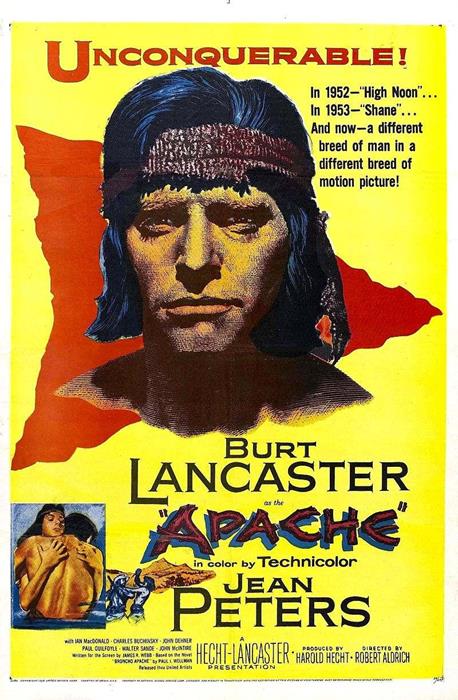
The 1954 film 'Apache,' featuring Burt Lancaster as Massai, a resilient Apache warrior, marks a significant shift in the depiction of Native Americans in Western cinema. Lancaster's performance adds depth and nuance, challenging the simplistic and often derogatory stereotypes prevalent in prior films. Through Massai's eyes, the audience is compelled to confront his struggles for survival and the dignity of his people.
Here's how 'Apache' impacted the cinematic portrayal of Native Americans:
- Complex Characters: Massai is presented not merely as a villain or a noble savage but as a complex individual with distinct motives, fears, and passions.
- Cultural Struggles: The film addresses the effects of American expansion on Native Americans, highlighting the personal and cultural dilemmas that the Apache faced.
- Sympathetic Portrayal: By focusing on Massai's resistance, 'Apache' fosters empathy among viewers, prompting a reevaluation of the typical narratives about Native Americans.
- Breaking Stereotypes: 'Apache' contributed to a movement towards more accurate and respectful representations of Native Americans in film, setting a precedent for subsequent cinematic works.
'Apache' not only entertains but also serves as a critical tool for viewing the evolution of Native American representation in 1950s cinema.
Shift in Narrative Focus
The 1950s marked a pivotal era in Western films with a new focus on Native American stories and perspectives. Films like 'Fort Apache' and 'Cheyenne Autumn' began to feature Native American characters in leading roles, portraying them as complex and multi-dimensional, a departure from the simplistic and often negative stereotypes of earlier films.
This period represented a shift towards more authentic and sympathetic portrayals of Native Americans in Hollywood. The narratives not only included Native American characters but also aimed to provide a more genuine voice and narrative that reflected true aspects of Indian culture and history.
However, despite these positive changes, Native American filmmakers were largely absent from the production of these films, which were predominantly created and directed by non-Native individuals. This lack of direct Native American involvement sometimes restricted the authenticity of the portrayals.
Nevertheless, the advancements in the 1950s laid the groundwork for gradual improvements in the representation of Native Americans in cinema, setting a foundation for future developments.
Cultural Consultation
During the 1950s, some Western films began to involve Native American consultants to enhance the authenticity of their portrayals, although widespread adoption of this practice was slow. This development was crucial for moving away from the simplistic and often derogatory stereotypes perpetuated by earlier cinema and Wild West Shows.
Here's how the process unfolded:
- Engagement with Experts: Films that involved Native American consultants benefitted from their expertise in tribal languages, customs, and traditional practices. This not only enriched the storytelling but also provided educational value.
- Authentic Practices and Rituals: Under the guidance of these experts, films could more accurately depict cultural rituals, attire, and social structures that were previously misrepresented or ignored.
- Sensitive Topic Navigation: Collaboration with tribal representatives allowed filmmakers to address sensitive cultural topics with the respect and accuracy they deserved, helping to avoid the perpetuation of damaging stereotypes.
- Nuanced Characters: The input from Native American consultants contributed to the creation of more complex and nuanced Native American characters, portraying them as fully realized individuals rather than stereotypes.
This approach, while not universally adopted in the 1950s, marked a significant step towards more authentic and respectful portrayals of Native Americans in cinema.
Audience Reception
During the 1950s, films like 'Broken Arrow' and 'Devil's Doorway' marked a significant shift in the portrayal of Native Americans within the Western genre. These movies presented Native American characters as complex individuals rather than adhering to previous stereotypical representations. This nuanced depiction resonated with audiences, leading to both increased box-office success and critical acclaim.
This positive response from viewers encouraged Hollywood to continue exploring these more respectful and accurate portrayals, progressively transforming the Western genre. Influential directors such as John Ford incorporated these themes into their films, including 'Fort Apache' and 'Cheyenne Autumn,' further enriching the genre's evolution.
The shift in representation did more than entertain; it played a crucial role in changing public perceptions and fostering a deeper understanding and appreciation of Native American cultures and histories. This change wasn't merely a trend but a substantial and lasting transformation in cinematic portrayal during the 1950s, reflecting a broader cultural shift towards recognizing and respecting Native American communities.
Criticism From Native Communities
Despite shifts towards more progressive representations in film, Native American communities have voiced significant criticism against Hollywood's portrayal in 1950s Westerns. These criticisms address several key issues:
- Perpetuation of Stereotypes: Hollywood films often depicted Native Americans using clichéd and overly simplistic stereotypes, portraying them primarily as savages or noble savages. This approach not only misrepresented Native American cultures but also marginalized their authentic experiences and histories.
- Demand for Authentic Portrayal: Activists, notably from the nascent American Indian Movement, advocated for films that depicted Native American cultures with accuracy and respect. They highlighted the superficial portrayal in films and advocated for a narrative shift that embraces the richness and diversity of Native American peoples.
- Marginalization in Storytelling: In many Westerns, Native American perspectives were sidelined, with stories typically told from a non-Native viewpoint. This often overlooked the complexities and truths of Native American historical and cultural experiences.
- Lack of Consultation: There was a significant demand for Hollywood to engage with Native communities during the filmmaking process to ensure cultural and historical accuracy. Such engagement was deemed essential to close the gap between portrayal and reality.
These criticisms reflect a broader movement among Native Americans to secure respect and accurate representation in media, marking a crucial moment in their efforts to influence their depiction in American cinema.
Influence on Future Films
In response to feedback from Native communities, filmmakers in the 1950s began to depict Native Americans more respectfully and authentically in their movies. This change is evident in Westerns such as 'Broken Arrow' and 'Devil's Doorway', which not only became popular but also established new norms for the portrayal of Native American characters, moving away from the previous stereotypical and often derogatory depictions.
The transition towards casting Native American actors in significant roles marked a crucial move towards authenticity. This shift influenced not just the casting but also the narrative structure, making the storytelling more culturally sensitive and nuanced. Films like John Ford's 'Fort Apache' and 'Cheyenne Autumn' reflected this advancement by presenting Native Americans as complex, wise, and sympathetic characters rather than as simple antagonists.
This progressive portrayal in the 1950s encouraged filmmakers to delve deeper into Native American narratives, treating these characters with the complexity and dignity they warrant. The enduring impact of these changes continues to influence the portrayal of Native American stories in modern cinema, ensuring they're approached with the respect and depth they deserve.
Legacy of 1950s Westerns
The legacy of 1950s Westerns has had a lasting impact on the representation of Native American characters in contemporary cinema. This influence is evident in several critical aspects:
- Transition in Casting: The 1950s began a shift away from the practice of casting white actors as Native Americans, which often led to stereotypical portrayals. This era saw an increased effort to cast Native American actors for more authentic and respectful representation on screen.
- Shift in Character Portrayal: During the 1950s, Western films started depicting Native Americans in more complex and positive roles. No longer limited to antagonistic or peripheral roles, they were portrayed with dignity and wisdom, setting a trend that continues to influence filmmakers today.
- Influence on Directors: Influential directors like John Ford, known for traditional portrayals, changed their approach during this period. Their evolution towards more respectful and accurate depictions of Native Americans helped establish new standards in filmmaking that persist in modern cinema.
- Cultural Impact: The progressive portrayals in 1950s Westerns initiated a shift in public perception towards Native Americans. This period laid the foundation for subsequent films that delve deeper into Native American stories and issues with respect and authenticity.
These developments have contributed to a legacy where modern films strive for accurate and respectful representation of Native American cultures, challenging and moving beyond outdated stereotypes.
Conclusion
In the 1950s, Western films like 'Broken Arrow' began shifting away from traditional stereotypes of Native Americans, portraying them in a more respectful and complex manner. This change influenced audience perceptions and helped evolve the genre.
While these films weren't free from criticism by Native communities, they played a role in advancing a more nuanced representation of Native Americans in cinema, laying the groundwork for future improvements in how they're depicted in Hollywood.
Related posts