How Did 1940s Hollywood Influence Global Culture?
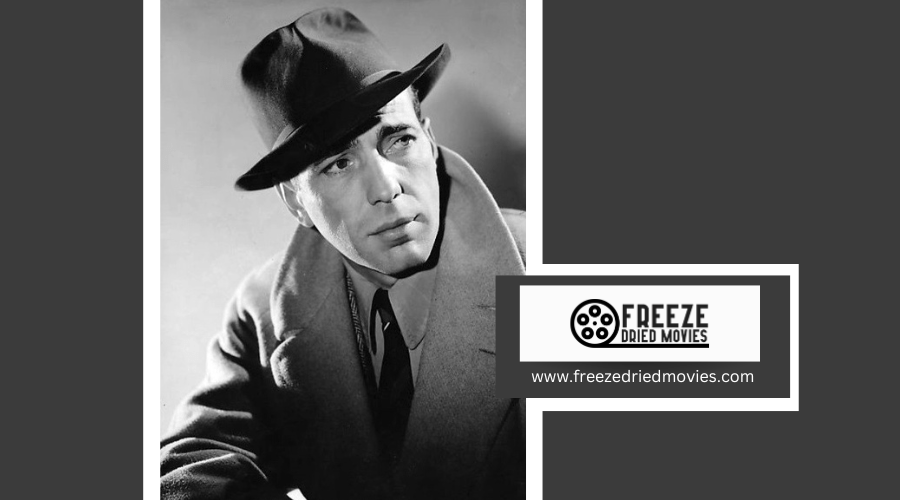
In the 1940s, Hollywood emerged as a pivotal force in shaping global culture, exporting American values and aesthetics worldwide. Iconic stars like Humphrey Bogart and emerging figures of the era (Marilyn Monroe became prominent in the 1950s) influenced international fashion and ideals of sophistication.
Hollywood's role during World War II involved producing propaganda films that bolstered support for the war effort, portraying American soldiers heroically and fostering patriotic sentiments. This period also saw an expansion of American cinema's influence abroad, embedding American narratives within various cultures.
Moreover, Hollywood's impact on fashion was notable, with styles such as Christian Dior's 'New Look' gaining global popularity through films. This era of Hollywood not only entertained but also played a significant role in the cultural and ideological molding of societies worldwide.
The Rise of Hollywood Icons

In the 1940s, Hollywood icons like Marilyn Monroe and Humphrey Bogart epitomized glamour and sophistication, significantly shaping global fashion and cultural perceptions. Their films, with international distribution, presented a quintessentially American charm that mesmerized audiences worldwide. The influence of their on-screen style was evident in the widespread adoption of dapper suits and elegant dresses, reflecting the attire seen in American cinema.
During WWII, these stars also collaborated with the War Department, enhancing their public personas by adding a layer of patriotic duty to their Hollywood allure. Their roles during this period were more than mere entertainment; they subtly contributed to America's global cultural influence.
Watching a Bogart film or seeing Monroe on screen was more than an entertainment experience; it was an introduction to an aspirational lifestyle meticulously crafted by Hollywood. The charisma of Bogart and the allure of Monroe set global standards for style and sophistication, promoting the idea that emulating these Hollywood icons was akin to accessing the American dream.
Film as Wartime Propaganda
While these and other Hollywood icons enthralled audiences, the film industry also significantly contributed to wartime propaganda, influencing public perception and morale during WWII. Beyond its glamorous facade, Hollywood was deeply integrated into the war effort. Films during this period served not merely as entertainment but as strategic tools to manipulate public opinion about the war.
Here's an overview of how Hollywood aligned its productions to support the war effort:
- Adherence to Government Guidelines: Hollywood studios complied with directives from the Office of War Information, ensuring that films conveyed messages supportive of the war effort, from screenplay to depiction.
- Promotion of Patriotic Sentiments: Films typically portrayed American soldiers heroically and enemy forces negatively, reinforcing patriotism and the perceived justness of the Allied cause.
- Encouragement of Military Recruitment: By idealizing military life and valor, films played a crucial role in enhancing military recruitment, persuading many Americans to enlist by presenting a glorified view of war and service.
Through these methods, Hollywood's impact during WWII was profound. It influenced American culture and contributed to wartime propaganda efforts.
Global Expansion of American Cinema
During the 1940s, Hollywood significantly expanded its influence in international markets, reinforcing its dominance in the global film industry. This period marked a strategic move by Hollywood to export its films worldwide, which not only enhanced its commercial success but also initiated a substantial cultural exchange. By the mid-1940s, Hollywood films constituted a major portion of the global box office revenues, demonstrating both their widespread appeal and the beginning of a significant cultural impact across various nations.
The deliberate distribution of American films abroad facilitated the integration of American cultural values and narratives into different societies, establishing Hollywood as a central figure in the global cinema landscape. This wasn't merely about providing entertainment but about fostering a shared cinematic experience that bridged cultural divides.
The 1940s were crucial in setting the foundations for American cinema's long-lasting influence on global culture. This era didn't just represent a phase of entertainment but a significant cultural movement that continues to influence the global film industry and cultural perceptions today.
Influence on Fashion Trends
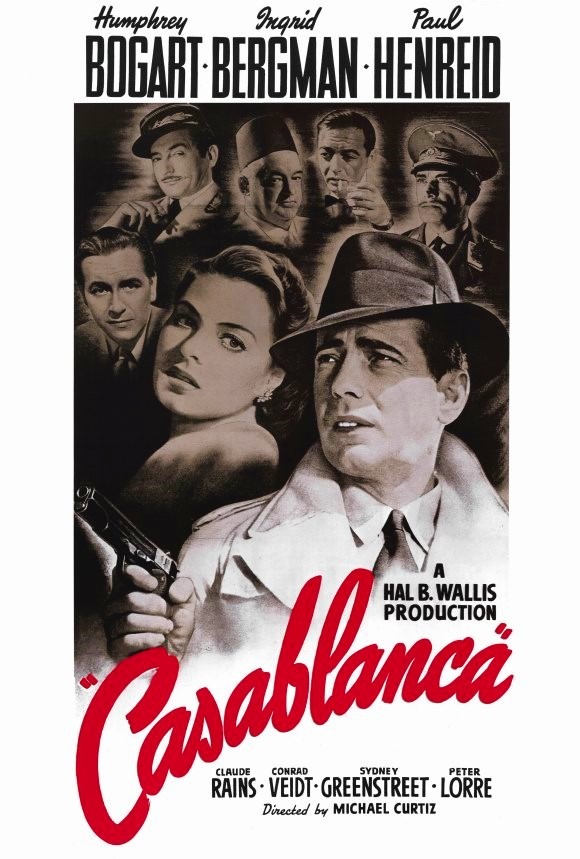
During the 1940s, Hollywood icons like Katharine Hepburn, Rita Hayworth, and later Marilyn Monroe were pivotal in shaping global fashion trends through their distinct style choices in cinema. As a fashion enthusiast, you may be intrigued by how Hollywood's portrayal of fashion during this period reflected and influenced societal shifts, including the impact of World War II.
Here are three key ways Hollywood influenced global fashion trends during the 1940s:
- Adoption of Practical Styles During Wartime: World War II brought about fabric rationing, prompting Hollywood to feature stars in practical yet fashionable utility clothing such as slacks and overalls. These styles weren't only seen as patriotic but also became fashionable globally, encouraging women everywhere to adopt these practical yet chic looks.
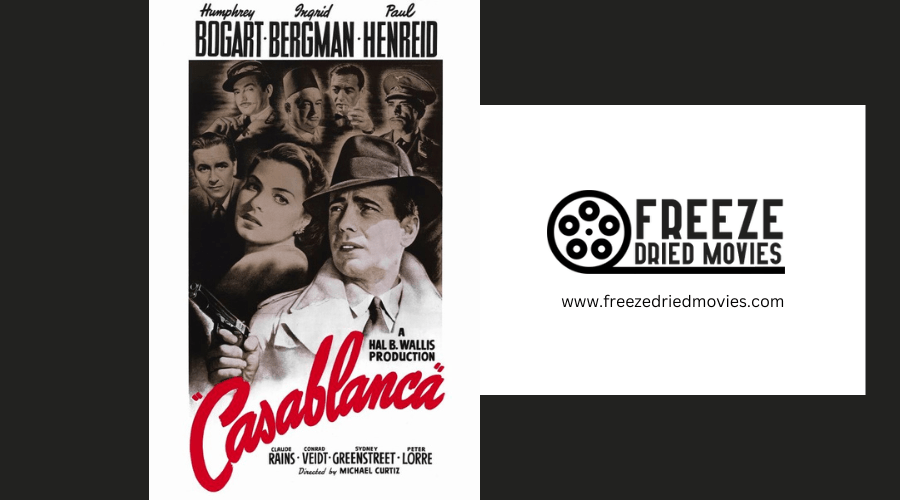
- Glamorization of Elegance in Film: Esteemed costume designers like Edith Head and Travis Banton created glamorous outfits for films like 'Casablanca' and 'Gilda.' These costumes exemplified elegance and sophistication, inspiring a shift from wartime practicality to post-war glamour. This encouraged audiences worldwide to embrace more sophisticated and elegant fashion styles.
- Popularization of the 'New Look': After the war, Hollywood continued to influence fashion with the promotion of Christian Dior's 1947 'New Look', which featured luxurious and feminine silhouettes. Hollywood's glamorization of these styles played a significant role in setting this trend, which soon dominated the global fashion scene.
Hollywood's significant role in shaping 1940s fashion underscores the film industry's extensive influence on global cultural trends, reaching far beyond mere entertainment.
Shaping International Music Styles
Just as Hollywood celebrities influenced global fashion, they were instrumental in popularizing swing music worldwide. In the 1940s, the United States saw a surge in the popularity of swing, a genre characterized by its lively tempos and engaging melodies. Hollywood films played a crucial role in this dissemination, acting as cultural emissaries that introduced swing music to international audiences.
The global spread of swing through these films not only highlights Hollywood's significant role in shaping international music styles but also underscores the genre's transformation into a worldwide phenomenon. Audiences around the globe who were gathered in cinemas would often find themselves tapping along to the rhythmic beats of dances like the Lindy Hop or the Jitterbug, showcased vividly on the silver screen.
Thus, Hollywood's exportation of swing music via film not only shared a piece of American culture globally but also solidified swing's enduring legacy in global music history. This movement, driven by the film industry's extensive reach, exemplifies the profound cultural impact Hollywood has had on music across the world.
Hollywood's Role in Diplomacy
During World War II, the U.S. government utilized Hollywood films as a strategic tool to promote American values and bolster diplomatic relations. The Office of War Information (OWI) was central to this initiative, employing films as a medium of cultural diplomacy to positively influence international perceptions of the U.S.
Here's an overview of Hollywood's impact through its films:
- Promotion of American Ideals: Hollywood portrayed the American lifestyle, democracy, and freedom in its films, which resonated globally, particularly in regions devastated by war seeking hope.
- Diplomatic Screenings: These films were frequently shown to foreign dignitaries and the general public during diplomatic missions, aiding in the breakdown of cultural barriers and fostering mutual understanding and shared values among nations.
- Soft Power Projection: By casting the U.S. in a favorable light, Hollywood acted as a tool of soft power, subtly influencing the political views and perceptions of other nations to align more closely with U.S. interests.
Through these endeavors, Hollywood played a crucial role in shaping diplomatic landscapes, establishing American cinema as a key element of cultural influence and international relations during the 1940s.

Language and Linguistic Impact
Hollywood's role in international diplomacy was paralleled by its impact on the global spread of American English. Notably, the dialogues and phrases from 1940s Hollywood films permeated everyday language internationally, embedding American slang into the lexicons of various cultures and thereby transforming the way English was spoken worldwide.
The influence of this era's Hollywood extended beyond mere entertainment; it functioned as a form of linguistic colonization, subtly integrating American cultural values and language norms across the globe. Characters ranging from the suave gentleman to the gritty detective not only entertained but also shaped perceptions of American English as a cultural artifact worthy of emulation.
Here's an overview of how 1940s Hollywood influenced global language:
| Aspect | Impact on Global Culture | Example of Influence |
|---|---|---|
| American Slang | Adopted internationally | Phrases like "beat it, kid" |
| Dialogue Style | Influenced global English accents | The fast-talking New Yorker |
| Cultural Perceptions | Viewed as modern and fashionable | Emulating movie character speech |
As Hollywood films continued to captivate global audiences, the American style of speaking not only became aspirational but also influenced perceptions of the role of language in identity and culture. This phenomenon highlights the powerful, multifaceted impact of cinema on global linguistic trends.
Stereotypes and Cultural Perceptions
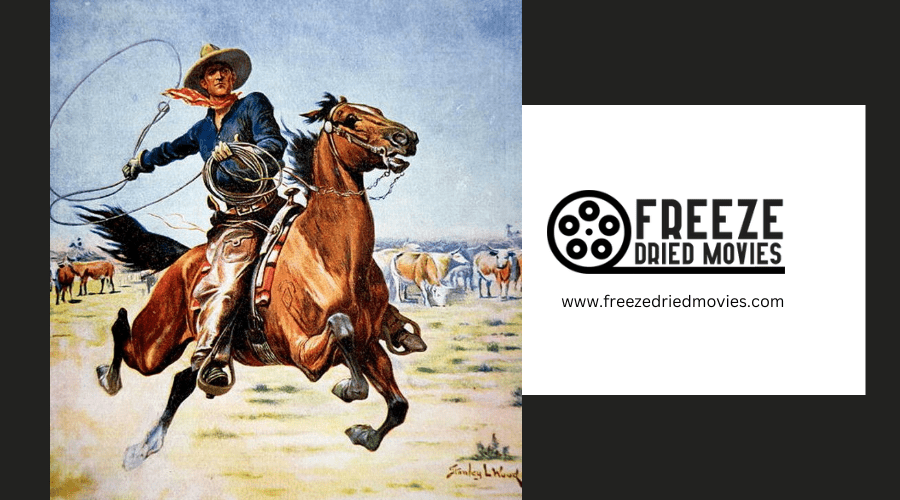
Hollywood films from the 1940s often depicted characters in ways that reinforced stereotypes, shaping cultural perceptions and attitudes worldwide. Typical roles like the 'damsel in distress' and the 'heroic cowboy' not only provided entertainment but also subtly conveyed societal expectations regarding gender and racial identities.
These portrayals had significant global cultural impacts:
- Reinforcement of Racial Stereotypes: The films of this era frequently cast ethnic minorities in subservient or antagonistic roles, reinforcing negative stereotypes about Native Americans, Asians, and African Americans. Such portrayals contributed to a skewed international perception of these groups, embedding these biased views into popular culture.
- Gender Norms and Relationships: The cinematic narratives often depicted women as subordinate to men or as individuals needing rescue, thereby perpetuating traditional gender roles. This portrayal influenced global perceptions of gender, shaping international norms regarding masculinity and femininity.
- Influence of Governmental Propaganda: Agencies like the Office of War Information (OWI) and the House Un-American Activities Committee prompted Hollywood to endorse specific ideologies. During wartime, films were utilized to garner support for the war effort, often compromising the accurate representation of diverse cultures and ideologies, thus influencing cultural perceptions.
The lasting impact of these films underscores Hollywood's significant role in forming and perpetuating global cultural perceptions.
Technological Innovations in Filmmaking
The 1940s marked a pivotal era in filmmaking with significant technological advancements that transformed the cinematic experience. One of the most revolutionary changes was the introduction of Technicolor, which shifted films from predominantly black and white to vibrant color. This innovation not only enhanced the visual appeal of films but also enriched storytelling, enabling more dynamic and emotionally compelling narratives.
Audio technology also saw significant improvements during this period. Enhanced recording techniques improved the clarity of dialogue and the richness of soundtracks, thereby elevating the overall viewing experience. These advancements in sound complemented the visual innovations, creating a more immersive atmosphere for audiences.
Additionally, the 1940s witnessed advancements in special effects, including the use of miniatures and matte paintings. These techniques allowed filmmakers to craft expansive and visually stunning scenes that had previously been unachievable. Far from mere spectacle, these innovations broadened filmmakers' storytelling capabilities, allowing them to depict fantastical worlds and grand narratives that captivated audiences globally.
Legacy in Global Entertainment
1940s Hollywood films captivated global audiences and significantly shaped worldwide entertainment trends. Stars like Humphrey Bogart, John Wayne, Katherine Hepburn, and Ingrid Bergman symbolized the era's glamour and artistic excellence, establishing Hollywood as a cultural leader. This period's influence on global cinema is profound and ongoing.
Here's how this influence unfolded:
- Global Adoption of Cinematic Techniques: American films of the 1940s introduced narrative and technical innovations that influenced filmmakers globally. These pioneering techniques became benchmarks for storytelling and visual presentation, still evident in modern cinema.
- Impact of War-Themed Movies: The U.S. Office of War Information (OWI) influenced Hollywood's wartime content, producing films that offered American viewpoints on World War II. These films were crucial in shaping international perceptions of the war, utilizing engaging stories and emotional depth to influence viewers worldwide.
- Legacy in Contemporary Culture: The influence of 1940s Hollywood persists in today's global entertainment landscape. Classics from this era aren't just preserved and honored but are also actively referenced in contemporary films, reflecting their enduring impact on cultural expression across the globe.
Conclusion
1940s Hollywood significantly influenced global culture, not merely providing entertainment but also shaping global fashion, music, and language. Its role in disseminating American films internationally established a new cultural paradigm. Moreover, Hollywood's involvement in wartime propaganda demonstrated its capacity to influence public opinion while its technological advancements set industry standards.
However, it's important to recognize that this era also perpetuated certain stereotypes. Today, Hollywood's legacy from the 1940s continues to affect our engagement with cinema, underscoring its enduring global impact.