German Cinema in the 1960s: Reckoning With the Past
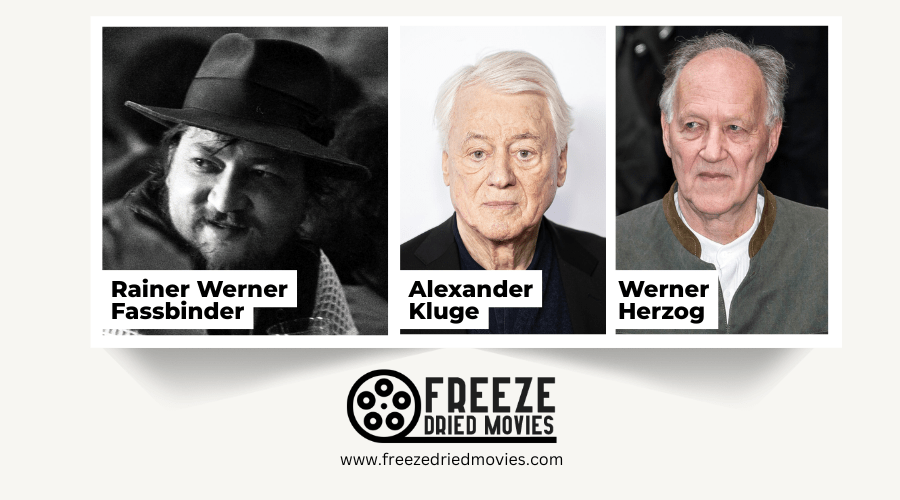
In 1960s German cinema, you'll find a bold artistic movement that confronted the nation's Nazi past head-on. Young filmmakers like Fassbinder, Herzog, and Kluge broke away from commercial formulas to create deeply personal works that investigated post-war trauma and guilt. They rejected traditional storytelling, embraced experimental techniques, and merged reality with fiction to process Germany's dark history. Their pioneering approach to confronting uncomfortable truths transformed both German and world cinema forever.
The Rise of New German Cinema Movement
As West German society struggled to confront its Nazi past in the 1960s, a bold new wave of filmmakers emerged to challenge the status quo. You'll find that directors like Rainer Werner Fassbinder and Alexander Kluge rejected the commercial cinema that had dominated the post-war years, instead creating deeply personal works that confronted Germany's troubled history.
The movement gained momentum as young filmmakers investigated art cinema techniques to grapple with themes of alienation and national identity. They weren't interested in the escapist entertainment of the 1950s; instead, they crafted challenging narratives that reflected the political upheaval of their time.
This artistic revolution paralleled the wider social movements sweeping across West Germany, as a new generation demanded honest dialogue about the Nazi past and the nation's divided present.
The Federal Film Board provided crucial institutional support that helped these innovative directors bring their revolutionary visions to the screen.
Breaking Away From Traditional Filmmaking
When the young filmmakers of New German Cinema broke from tradition in the 1960s, they didn't just change what stories were told - they revolutionized how to tell them. You'll notice their stark departure from West German cinema's commercial formulas, as they rejected the star system and conventional genres that dominated the post-war film industry.
These film directors weren't interested in entertainment for entertainment's sake. Instead, they crafted deeply personal works that confronted Germany's Nazi past head-on. Through experimental techniques and unconventional storytelling, they investigated themes of guilt, trauma, and alienation.
The Oberhausen Manifesto of 1962 became their rallying cry, declaring the death of conventional cinema and demanding a new approach that would challenge audiences rather than comfort them. This bold vision reshaped German filmmaking into a powerful tool for social and political commentary.
Their work stood in stark contrast to earlier German directors like Fritz Lang and Lubitsch who had helped establish Hollywood's artistic foundations in the 1930s.
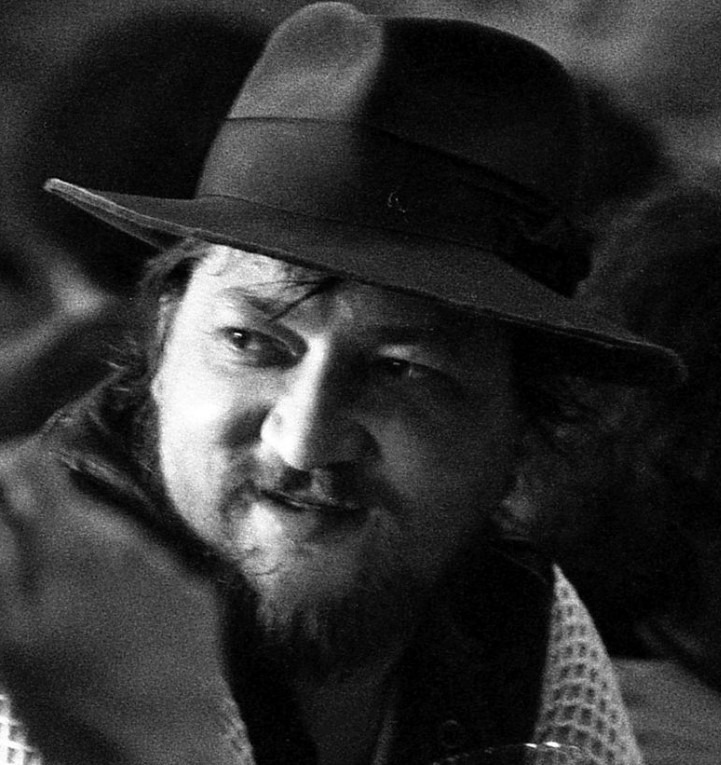
Political and Social Themes in 1960s German Films
The political upheaval of 1960s Germany found its most powerful expression through the lens of New German Cinema. You'll find that directors like Fassbinder and Kluge transformed their films into mirrors reflecting the youth's rebellion against established power structures. Their art became a battleground where Germany's Nazi past collided with contemporary social unrest. Drawing inspiration from French New Wave filmmakers, they brought raw social realism to German screens. Werner Herzog's films probed deep into the psychological wounds of war, creating characters who wandered through their nation's scarred landscape in search of meaning. These German filmmakers didn't just tell stories; they challenged how stories could be told, rejecting the comfortable narratives of previous decades. Their political message resonated strongly with audiences who were ready to confront their nation's dark history and embrace a more progressive future through this bold new cinema.
Key Directors and Their Artistic Approaches
Leading the artistic revolution of 1960s German cinema, five pioneering directors carved distinct paths through their nation's cultural terrain. You'll find Werner Herzog exploring humanity's struggle with nature, while Fassbinder's films made searing critiques of post-Third Reich society. Kluge revolutionized the art form by merging real and fictional narratives, earning acclaim at every major Film Festival.
Straub and Huillet's minimalist approach redefined cinematic language, while Schlöndorff's literary adaptations confronted Germany's moral wounds.
- Herzog's outsiders and madmen will make you question your place in the natural world
- Fassbinder's raw melodramas will force you to confront social oppression
- Kluge's experimental works will challenge your understanding of truth and memory
These visionaries reshaped German cinema from postwar ruins into a powerful vehicle for national self-examination.
The Impact of Post-War Trauma on Film Narratives
Shadows of Germany's darkest chapter loomed large over 1960s filmmakers as they wrestled with their nation's traumatic past. You'll find this post-war trauma deeply embedded in the works of New German Cinema directors like Fassbinder and Kluge, who confronted their country's Nazi legacy head-on.
Through films like "Katzelmacher" and "Young Törless," these directors investigated the psychological impact of fascism on German society. They weren't just making movies; they were processing collective guilt and anger while searching for a new national identity.
You'll notice their experimental filming techniques mirror the fragmented psyche of their generation - a generation caught between acknowledging past horrors and forging a new future. This creative approach helped them capture the complex emotions and unsettled consciousness of post-war Germany.
German Cinema's International Recognition and Influence
As German filmmakers confronted their nation's dark past, their bold artistic vision began resonating far beyond their borders. The New German Cinema movement of the 1960s catapulted German film into the international spotlight, with directors like Fassbinder, Wenders, and Herzog earning prestigious awards at global festivals.
You'll find their influence reflected in how they revolutionized storytelling and visual techniques, setting new standards for art house cinema worldwide.
Three ways the movement changed international cinema:
- Brought raw emotional honesty to post-war trauma narratives
- Challenged traditional filmmaking conventions with innovative visual styles
- Established German Cinema as a powerhouse for artistic expression
This international recognition helped modify Cinema in Germany from a local industry into a globally respected force, earning multiple best foreign language film nominations and reshaping the world's perception of German cultural contributions.
Gorup de Besanez, PER51895 061, CC BY-SA 4.0
Martin Kraft, MJKr01635 Alexander Kluge (NRW-Empfang, Berlinale 2020), CC BY-SA 4.0