DP Spotlight: Visual Storytelling in Spaghetti Western Cinema
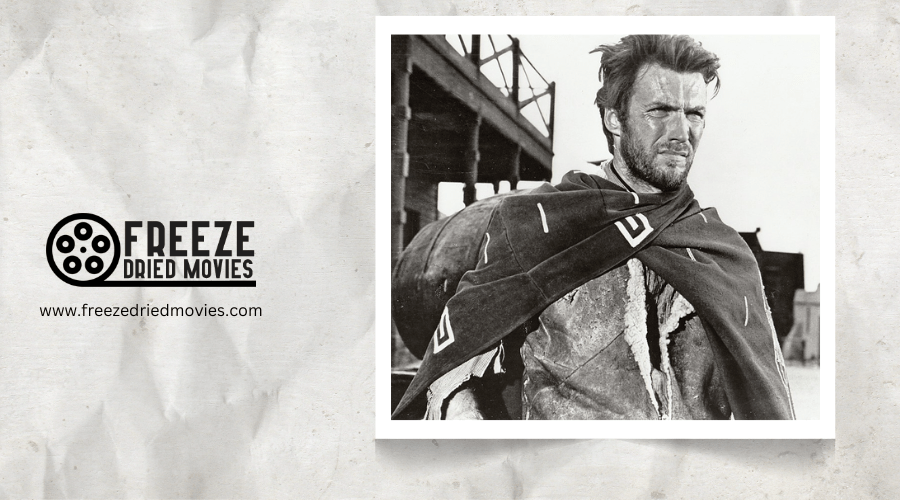
You've seen the squinting eyes, the dusty landscapes, and the unmistakable visual flair of spaghetti Westerns. But have you considered how these films revolutionized visual storytelling? Beyond Eastwood's poncho and Van Cleef's steely gaze lies a sophisticated visual language that transformed cinema forever. Directors of photography crafted a world where every frame tells a story, every shadow harbors intent, and every wide shot reminds you of human mortality. The techniques they pioneered continue to influence filmmakers today—and for good reason.
The Landscape as Character: Wide Shot Composition in Leone's Films
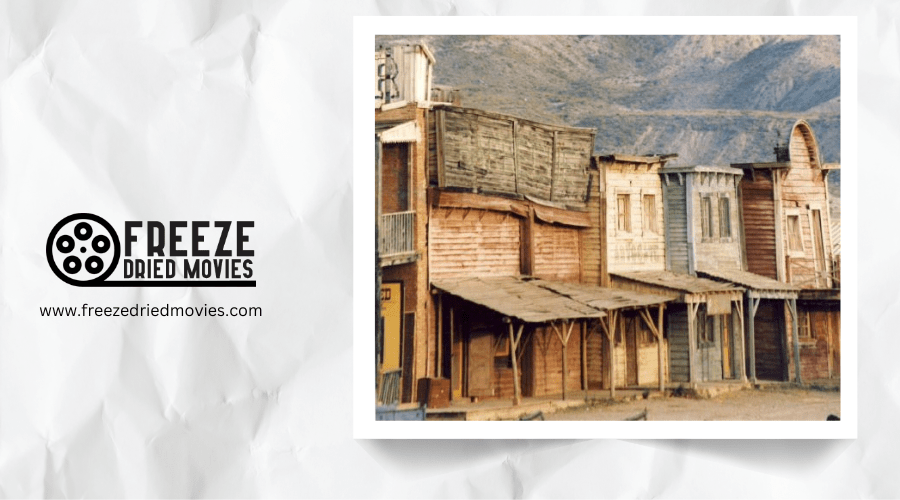
In Sergio Leone's revolutionary westerns, the vast landscape transcends its role as mere backdrop to become a formidable character with its own personality and presence. When you watch films like "The Good, the Bad and the Ugly" or "Once Upon a Time in the West," you'll notice how Leone's masterful wide shot composition emphasizes human insignificance against nature's vast indifference.
His innovative camerawork—slow zooms and extreme long shots—gives the environment an almost sentient quality. You'll find characters deliberately framed in the foreground against dramatic canyons and desert expanses, creating striking visual tension. This technique isn't merely aesthetic; it reinforces themes of isolation and mortality that define the genre.
Through these compositions, Leone invites you to feel the weight of the environment pressing upon his characters' stories. This visual approach perfectly complemented Eastwood's taciturn performance, establishing a new archetype that revolutionized the Western genre through calculated silence rather than excessive dialogue.
Extreme Close-Ups: Eyes as Windows to Character Motivation
While the endless vistas establish the epic scale of spaghetti westerns, Leone's camera doesn't just gaze outward—it peers inward through another signature technique.
You'll notice how extreme close-ups on characters' eyes reveal what dialogue often can't. In "The Good, the Bad and the Ugly" and "Once Upon a Time in the West," these tight frames create an intimate connection to characters' inner worlds. The bad guys' steely gazes communicate malice without a word spoken. When Leone zooms in on a squinting eye, you're witnessing visual economy at its finest—complex motivations distilled into a single look.
This technique creates rhythmic contrast with those sweeping landscapes, pulling you between vast external worlds and intense internal ones. The good, the bad, and everyone between become viscerally understood through their eyes alone—making you an active participant in the western's psychological showdown. This visual approach differs dramatically from John Wayne's films, where his rugged individualism and principled heroism were portrayed more through action and dialogue than intense close-ups.
Lighting Techniques That Defined the Spaghetti Western Look
Harsh shadows cut across weathered faces like canyons on a desert landscape, defining the spaghetti western's unmistakable visual signature. The genre's cinematographers masterfully employed chiaroscuro lighting to craft a world of moral ambiguity, where pools of light emerged from engulfing darkness.
You'll notice how backlight and side-light techniques accentuate character profiles, creating iconic silhouettes against the sun-baked terrain. These lighting choices weren't merely aesthetic—they served narrative purposes, heightening tension and revealing character intentions without dialogue.
Directors combined these lighting approaches with innovative framing and camera angles to establish their unique visual language. Smoke and environmental haze further enhanced this stylized reality, contributing to the genre's otherworldly atmosphere. This distinctive lighting palette created a visual grammar that remains instantly recognizable and influential in cinema today.
Camera Movement and Blocking: Choreographing Tension
Tension coils like a rattlesnake within each carefully orchestrated frame of the spaghetti western, where camera movement and actor positioning create a visual ballet of suspense. Leone's camera glides through scenes with mathematical precision, allowing the Man with No Name to suddenly materialize in frame, heightening viewer unease.
These Italian westerns rely on strategic blocking rather than excessive dialogue, with actors moving through meticulously planned sequences. The camera becomes an active storyteller, revealing information at precisely the right moment while composer Ennio Morricone's haunting melodies amplify the visual drama.
Watch how Leone and cinematographer Baragli craft lengthy takes punctuated by rhythmic cuts that build unbearable anticipation. Their economy of visual language creates pure cinematic storytelling, where every pan, zoom, and actor movement serves the narrative's escalating tension.
Morricone and Visuals: How Music Shaped Cinematographic Choices
Before a single frame was shot, Ennio Morricone's compositions frequently guided Sergio Leone's visual decisions, reversing the traditional filmmaking sequence where music follows imagery. There's a lot to appreciate about how this partnership redefined cinematic language.
While watching these films, you'll notice how the music dictates pacing and framing—feel free to observe how sparse dialogue gives way to musical storytelling.
- Extreme close-ups timed perfectly with musical crescendos
- Long, contemplative shots paced to match musical movements
- Avant-garde instruments complementing innovative camera techniques
- Wide vistas captured to enhance musical grandeur
- Editing rhythms that follow musical patterns rather than conventional timing
This revolutionary approach elevated spaghetti westerns beyond mere genre pieces into artistic masterpieces. Know what you think after noting how Morricone's scores shape every visual element you see on screen.
From Kurosawa to Leone: Visual Influences and Transformations
When examining the visual DNA of spaghetti westerns, you'll find the unmistakable influence of Japanese cinema master Akira Kurosawa embedded in Sergio Leone's revolutionary approach. Leone didn't simply adapt Kurosawa's samurai narratives from Yojimbo and Sanjuro—he transformed their visual language into something distinctly his own.
Through sweeping long takes and meticulous blocking, Leone crafted a visual storytelling style that defined the spaghetti western genre. His signature extreme close-ups created tension while Nino Baragli's innovative editing techniques established the genre's rhythmic pacing.
These visual elements paired perfectly with Morricone's experimental scores.
You can trace this cross-cultural cinematic exchange from Kurosawa to Leone directly to later filmmakers like Tarantino, who continued to blend genres while honoring the economic storytelling and suspenseful visual narrative techniques pioneered in these influential westerns.
Modern Filmmakers Paying Homage to Spaghetti Western Cinematography
Three generations of filmmakers have embraced spaghetti western visual language, transforming it into a cinematic shorthand that transcends the original genre. From Tarantino's Django Unchained to the Coen brothers' True Grit, you'll find Italian filmmakers' DNA embedded in modern cinema's visual storytelling.
Extreme close-ups of weathered faces that would make Sergio Leone proud. Morricone-inspired musical cues that heighten tension and atmosphere. Widescreen compositions capturing both desolate landscapes and intimate violence. Deliberate pacing that follows the western subgenre's tradition of building suspense. Stylized violence that serves as visual punctuation to narrative arcs.
Today's directors, many trained in film school traditions that venerate these techniques, continue reinventing spaghetti western visual motifs in films like Bone Tomahawk and The Sisters Brothers, proving this distinctive aesthetic remains powerfully relevant.
Related posts