Ben Johnson: Rodeo Champion Turned Oscar-Winning Western Actor
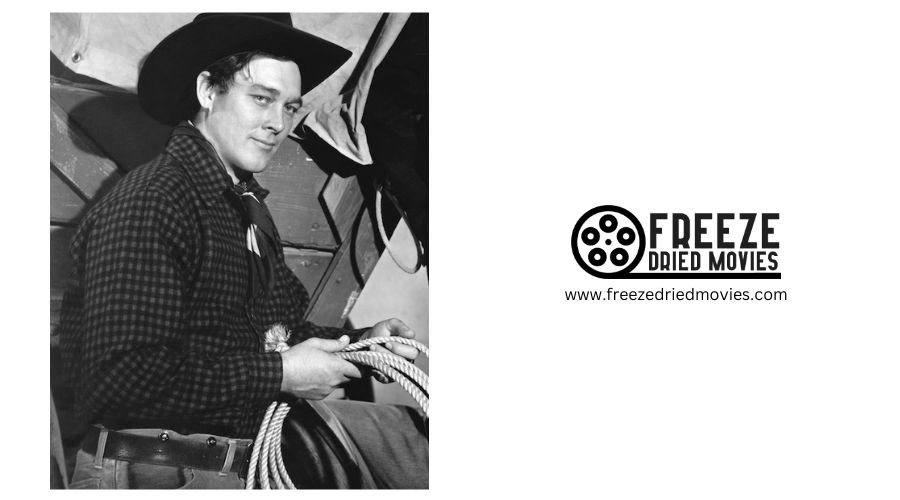
Ben Johnson (1918-1996) was an authentic cowboy who moved from stuntman to acclaimed actor under John Ford's guidance. You'll recognize him from numerous Westerns before he won an Academy Award for "The Last Picture Show" (1971). As a World Champion Team Roper in 1953, Johnson balanced Hollywood success with his true passion for rodeo and ranching. His 54-year marriage and charitable work reveal the genuine character behind the cowboy hat.
Key Takeaways
- Ben Johnson was a genuine cowboy of Cherokee and Irish heritage who transitioned from stuntman to acclaimed Western actor.
- Director John Ford discovered Johnson's authentic horsemanship skills and helped transform him from stuntman to respected actor.
- Johnson won the Team Roping World Championship in 1953 and considered himself a rodeo champion first, actor second.
- He earned an Academy Award for Best Supporting Actor in "The Last Picture Show," showcasing his versatility beyond Westerns.
- His legacy lives on through multiple hall of fame inductions and the Ben Johnson Cowboy Museum in Oklahoma.
Early Days on the Osage Indian Reservation
While many Hollywood stars emerge from urban backgrounds, Ben Johnson's story began in the rugged landscape of Oklahoma's Osage Indian Reservation. Born in 1918 in the small community of Foraker, Johnson's mixed Cherokee and Irish heritage connected him deeply to the land where he was raised.
Growing up on a ranch in Osage County, he learned the ways of the West not from movie sets but from authentic experience. His father, a successful rancher and rodeo champion, taught him horsemanship and cattle handling from an early age. These weren't just hobbies but essential skills for survival and prosperity in their world.
Johnson's upbringing among the rolling hills of the Osage Indian Reservation prepared him with the genuine cowboy expertise that would later distinguish him in Hollywood. Unlike John Wayne, who developed his rugged individualism through years of acting in B-grade Westerns, Johnson's frontier authenticity came naturally from his real-life experiences.
From Ranch Hand to Hollywood Horseman
Ben Johnson's journey from the Osage Indian Reservation to Hollywood exemplifies the unexpected paths life can take. His shift began with a simple horse delivery for Howard Hughes, but his exceptional riding skills quickly caught attention.
Working as a ranch hand for his rodeo champion father had prepared him for what would become a remarkable career spanning over 300 films.
- His natural horsemanship impressed director John Ford, transforming Johnson from stuntman to actor
- Despite arriving in Hollywood in a carload of horses, he maintained his authentic cowboy identity throughout his career
- While gaining fame on screen, Johnson never abandoned his ranching roots or his pride in his 1953 world championship team roping title
Johnson balanced Hollywood stardom with running his Oklahoma ranch, proving you can take the man out of the rodeo, but not the rodeo out of the man.
Much like Kurt Russell's career, Johnson's versatility allowed him to thrive in a wide range of Western roles throughout his filmography.
John Ford's Influence and First Major Roles
Three fateful words—"sign him up"—changed Ben Johnson's trajectory forever when John Ford witnessed him heroically save men from a runaway wagon on set. This led to a seven-year contract that would define Johnson's early Hollywood career.
Ford immediately recognized Johnson's authentic Western presence, casting him in supporting roles that showcased his natural talent. In "Fort Apache" (1948), Johnson not only appeared on screen but also served as Henry Fonda's stunt double, demonstrating his versatility.
Johnson's integration into Ford's celebrated cavalry trilogy—"Fort Apache," "She Wore a Yellow Ribbon," and "Rio Grande"—cemented his reputation as a reliable character actor. Under Ford's guidance, Johnson built a foundation of credibility in Western films that would serve him throughout his career.
Johnson's work in "She Wore a Yellow Ribbon" allowed him to participate in one of the iconic Western scenes of the 1940s where his character helped prevent an attack, showcasing the film's high-stakes tension.
The World Champion Roper: Ben's Rodeo Career
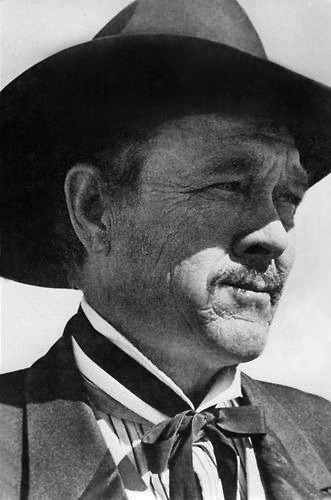
Even as Johnson's acting career began to flourish under Ford's guidance, his passion for rodeo remained undiminished. In 1953, he took a significant break from Hollywood to compete in the Rodeo Cowboys Association, where he claimed the Team Roping World Champion title—an achievement he'd later consider his greatest accomplishment.
Despite Hollywood success, Johnson's proudest moment came not on film but in the arena—as 1953's Team Roping World Champion.
You'll find Johnson's rodeo legacy extends beyond his 1979 induction into the ProRodeo Hall of Fame:
- Established the annual Ben Johnson Pro Celebrity Team Roping and Penning competition to support children's charities
- Maintained active involvement in ranching and horse breeding throughout his film career
- Proudly identified as a rodeo champion first, actor second
His unique background as a legitimate World Champion cowboy lent authentic credibility to his Western film roles. Unlike contemporaries such as Audie Murphy's transition from military service to acting, Johnson brought genuine frontier skills to the Western genre.
The Last Picture Show and Oscar Glory
After decades of portraying authentic cowboys in Hollywood, Johnson achieved the pinnacle of acting recognition with his Academy Award-winning performance in "The Last Picture Show" (1971). Playing Barton, a lonely ranch hand in Peter Bogdanovich's coming-of-age drama, Johnson captured the hearts of critics and voters alike.
You'll notice how this role differed from his typical rugged cowboy parts, showcasing a depth and versatility many hadn't yet witnessed. The Academy Award for Best Supporting Actor validated Johnson's exceptional talent beyond his Western typecasting.
Set in a small Texas town during the 1950s, "The Last Picture Show" became a defining moment in Johnson's career, transforming him from a respected genre actor into a celebrated Hollywood character performer. This recognition elevated his standing in the industry and cemented his legacy.
Working With Sam Peckinpah and Western Film Legacy
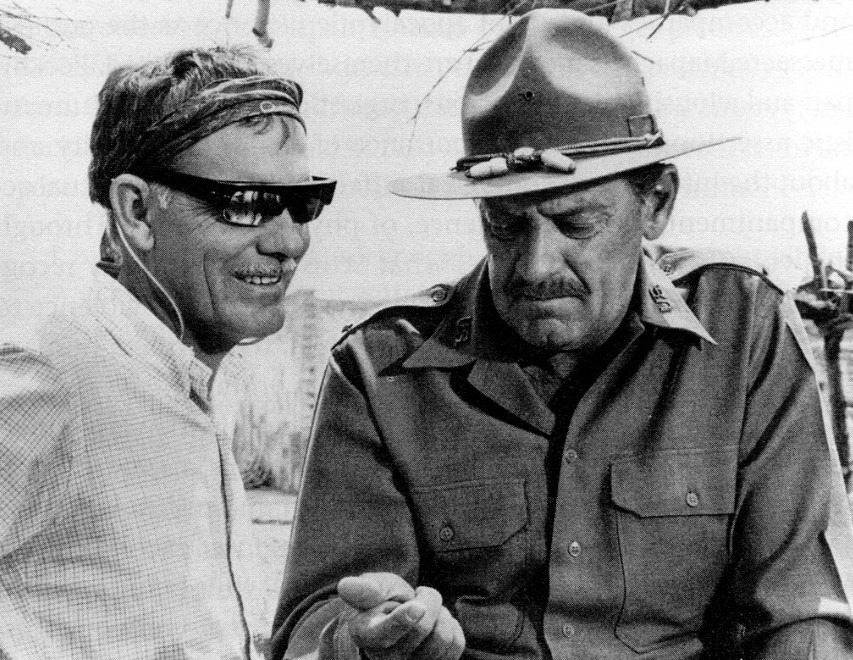
When cinematic historians discuss the evolution of the Western genre, Ben Johnson's collaboration with visionary director Sam Peckinpah inevitably takes center stage. Their partnership spanned four films, including the revolutionary "The Wild Bunch," where Johnson's authentic cowboy sensibilities perfectly complemented Peckinpah's visceral storytelling approach.
Appeared in four Peckinpah films, helping reshape Western cinema with more complex characters and realistic portrayals. Earned induction into the Western Performers Hall of Fame in 1982, recognizing his transformative impact on the genre. Continues inspiring new generations through the Ben Johnson Cowboy Museum in his hometown of Pawhuska, Oklahoma.
You'll find Johnson's influence extending beyond his lifetime, as evidenced by his posthumous Golden Boot Award in 1994—a monument to how thoroughly his performances defined the Western film legacy.
Ben's Charitable Work and Celebrity Rodeo Events
Beyond his silver screen triumphs, Ben Johnson's heart remained firmly rooted in his rodeo origins, leading him to establish the renowned Ben Johnson Pro Celebrity Team Roping and Penning competition. This Oklahoma City event became a cornerstone of his philanthropic legacy, raising substantial funds for children's charities and showcasing his commitment to giving back.
In 1990, the Ben Johnson Celebrity Rodeo honored his significant contributions to the sport, while providing another venue to support underprivileged youth. Throughout his career, Johnson leveraged his fame to champion children's causes, demonstrating that his talents extended far beyond acting and roping.
Johnson's charitable endeavors weren't just sideline activities—they defined his character as much as his Oscar-winning performances, cementing his reputation as a Western icon whose generosity matched his on-screen authenticity.
The Man Behind the Cowboy: Personal Values and Relationships
The genuine cowboy beneath Ben Johnson's Hollywood persona emerged most clearly through his unwavering personal values and lifelong relationships. Throughout his life and career, Johnson worked tirelessly but remained remarkably grounded, often saying he was more proud of his 1953 rodeo championship than his acting accolades.
Ben Johnson: a man whose authentic cowboy spirit outshone his Hollywood fame, valuing rodeo pride over Oscar gold.
His personal life reflected his authentic character:
- His extraordinary 54-year marriage to Carol until her death in 1991 demonstrated his commitment to family despite having no children
- His humility persisted even after receiving a Hollywood Walk of Fame star, joking he was too old to fully enjoy it
- His charitable rodeo events showcased his generosity toward children's causes
Johnson's sudden heart attack in 1996 ended the life of a man who never let fame change his core identity as a genuine cowboy.
Final Roles and Hollywood Recognition
Ben Johnson's twilight years in Hollywood brought a final chapter of recognition that had eluded him for decades. While his Award for Best Supporting Actor had come years earlier, the industry finally honored his lifetime contributions with a star on the Hollywood Walk of Fame, just three years before his passing.
True to his straightforward character, Johnson quipped, "I don't know why in the hell you all waited so long to give me the star. You waited till I got so old I couldn't hardly enjoy it." Despite never winning a Golden Globe Award, his final screen appearance in Disney's "Angels in the Outfield" (1994) capped a remarkable career.
Even as accolades arrived, Johnson maintained his trademark humility until his death from a heart attack in Mesa, Arizona in 1996, at age 75.
Preserving the Johnson Legacy: Museums and Memorials
Although his life ended in 1996, Johnson's legacy continues to thrive through numerous museums and memorials across America's heartland. The Ben Johnson Cowboy Museum, opened in 2019 in his hometown of Pawhuska, Oklahoma, stands as a monument to his remarkable dual career.
Though he departed in '96, Johnson's spirit endures in museums and memorials throughout the heartland, honoring his unparalleled legacy.
Johnson's achievements have earned him prestigious inductions into:
- Pro Rodeo Hall of Fame, honoring his championship roping skills
- Oklahoma Hall of Fame (1979), recognizing his contributions as both rodeo champion and film star
- National Cowboy & Western Heritage Museum, celebrating his authentic Western persona
You'll find his spirit lives on through Pawhuska's annual Ben Johnson Memorial Steer Roping and International Roundup Cavalcade, where modern cowboys compete in the same arena where Johnson once demonstrated his extraordinary roping talents.