Animating the 1960s: From Classic Cartoons to Experimental Animation

The 1960s marked a dramatic shift in animation's evolution, from kid-friendly cartoons to groundbreaking artistic expression. Limited animation techniques, pioneered by Hanna-Barbera, revolutionized TV production while avant-garde creators pushed boundaries with experimental works. The decade saw animation tackle complex social issues as European and Asian influences brought fresh perspectives. There's an incredible quest ahead as you investigate how animation transformed from simple entertainment into powerful cultural commentary.
The Rise of Limited Animation: Revolutionizing TV Production
While theatrical animation had long relied on detailed, fluid movement, Hanna-Barbera Productions altered television animation in the 1960s through their pioneering use of limited animation.
You'll see how their revolutionary animation techniques transformed the industry by focusing on animating only essential parts of characters' bodies. This cost-effective approach allowed Hanna-Barbera to meet television's demanding production schedules while creating an impressive roster of over 2,000 animated characters. Though some critics questioned the simplified style, you can't deny its impact - the method quickly became the standard for TV animation production.
The shift to limited animation proved indispensable for the medium's growth, as it enabled studios to produce content more efficiently and economically. This innovative approach helped establish animation as a viable format for television programming.
Shows like Rocky and Bullwinkle demonstrated how limited animation could effectively combine entertainment value with efficient production methods.
Cultural Shifts and Social Commentary in Animation
The 1960s marked a radical change in animation's cultural role, as the medium evolved beyond simple entertainment to tackle complex social issues. You'll find that Animation history during this period mirrors the metamorphosis happening in American society, with independent studios challenging traditional storytelling norms.
One thing that stands out is how European and international animators led the charge in creating mature, feature-length works that redefined the medium's possibilities. The counterculture movement sparked a wave of experimental animation that questioned commercial conventions and pushed creative boundaries.
While sexuality and adult themes became tools for addressing censorship and free speech, they'd later shift toward more cynical approaches. This evolution showed animation emerging from avant-garde margins to align with both mainstream and independent cinema's creative development. Much like the Soviet Montage Movement, these animated works used symbolic imagery and unconventional storytelling techniques to convey complex social messages.
Breaking Boundaries: Avant-Garde Animation Movements
Several pioneering avant-garde animation movements emerged during the 1960s, radically altering traditional animation boundaries. You'll find surrealist animation at its peak in Smith's "Heaven and Earth Magic," while Godfrey's "The Do-it-Yourself Cartoon Kit" challenged conventional narratives through absurdism.
The era's experimental animations weren't afraid to tackle complex themes. Borowczyk and Klein excelled at symbolism in their works, offering sharp social commentary. You can see genre conventions cleverly dismantled in Bozetto's Western parodies and Forqué's musical satires. Meanwhile, Ahlin and Danielsson explored deeply personal themes of memory and desire.
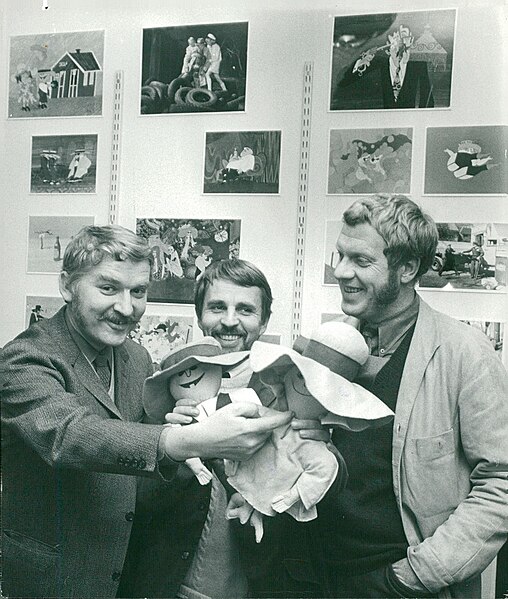
The movement reached its zenith with Terry Gilliam's pioneering work for Monty Python, where his distinctive cut-out style perfectly embodied the decade's avant-garde animation spirit, blending humor with artistic innovation. Much like stop-motion effects in Nosferatu pioneered horror filmmaking techniques in 1922, these avant-garde animators established revolutionary methods that influenced generations of artists.
Television's Impact on Animation Techniques
As television emerged as a dominant entertainment medium in the 1960s, animation studios faced novel, unparalleled, or unrivaled pressure to adapt their production methods. You'll notice how technological advancements in broadcasting created new opportunities, but tight budgets forced studios to revolutionize their approach.
Hanna-Barbera led this transformation by pioneering limited animation techniques, where you'd see only essential movements animated rather than full fluid motion. While this drew criticism for quality, it made television animation financially viable.
You can spot the contrast between Disney's initial hesitation to enter TV animation and Japanese studios like Tezuka's approach to Astroboy. These divergent paths showcased how different cultures adapted to television's constraints, with Japanese anime maintaining its distinctive visual style while Western animation embraced cost-effective solutions.
Global Animation Trends and International Influences
While American studios adapted to television's demands, international animation plunged with diverse artistic approaches and cultural influences. You'd find European studios breaking away from Walt Disney's traditional animation style, creating experimental works that challenged conventional storytelling methods.

The animation industry experienced significant growth beyond U.S. borders, as international audiences craved fresh perspectives and innovative content.
Asia's contribution, particularly China's, brought culturally rich feature-length animated works that showcased sophisticated storytelling techniques. While iconic characters like Charlie Brown and Barbie maintained universal appeal, you'd uncover that adult-oriented animation flourished outside America.
This global renaissance in animation meant you could experience diverse artistic expressions, from avant-garde European productions to culturally layered Asian features, marking a significant shift from the previously American-dominated panorama.
The Evolution of Adult Themes in Animated Content
Throughout the 1960s, animation underwent a dramatic metamorphosis from simplistic children's entertainment to sophisticated storytelling that tackled mature themes and social commentary. After World War II, television became the primary platform for animation, but creators weren't content with traditional formats anymore.
You'll find that this era marked a significant shift as animation studios began producing content for audiences of all ages, pushing beyond the one hundred and one limitations that previously confined the medium. European and Asian animators led the charge with bold, avant-garde productions that challenged social norms and institutional censorship.
However, by the 1970s, this creative revolution had taken an unexpected turn. What started as genuine artistic expression often devolved into cynical exploitation of adult themes, particularly sexuality, as studios rushed to capitalize on counterculture appeal.
Technological Innovations and Creative Freedom
The technological revolution of the 1960s radically altered animation production, giving artists unparalleled creative freedom. Animation studios investigated xerography, which let them photocopy drawings directly onto cels, making the process faster and more efficient than ever before. You'll notice how this innovation bridged the gap between traditional hand-drawn art and modern techniques.
While the industry continued to discover new horizons, Hanna-Barbera's limited animation technique revolutionized television production, making it possible to create content more economically. This shift wasn't just about cutting costs - it opened doors for more experimental approaches in the field of animation.
The marriage of sound, color, and new production methods created possibilities that were previously unimaginable, pushing the boundaries between live action and animation further than ever before.
Related posts