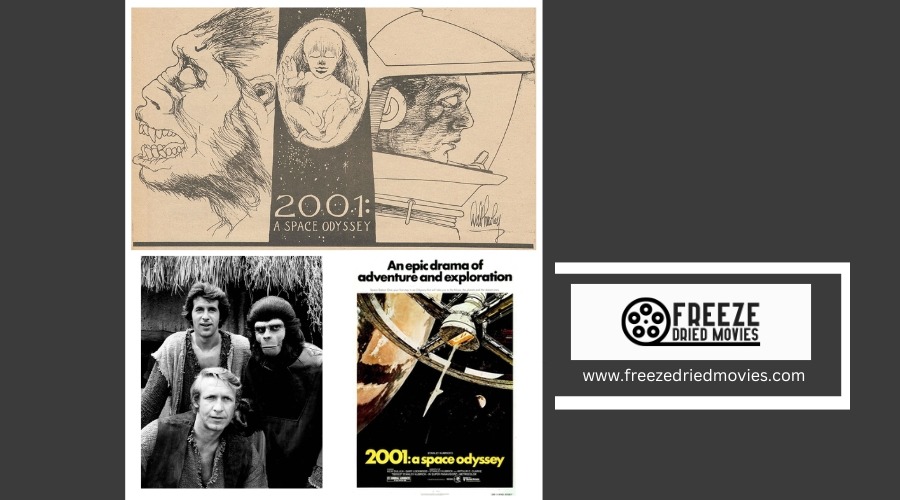
Aliens, Space Races, and Psychedelia: How 1960s Sci-Fi Captured an Era
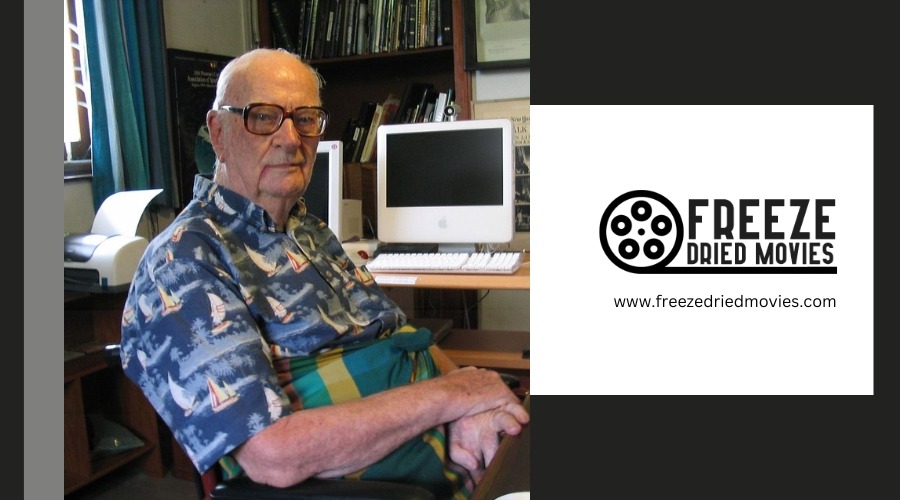
In the 1960s, you'll find sci-fi perfectly capturing the era's seismic cultural shifts through space race journeys, alien invasion metaphors, and mind-bending psychedelia. Writers like Philip K. Dick and Arthur C. Clarke merged hard science with social commentary, while pioneering films like "2001: A Space Odyssey" revolutionized special effects. Cold War anxieties morphed into powerful narratives about extraterrestrial threats and cosmic exploration. There's an entire universe of innovation waiting in this revolutionary decade of science fiction.
The Space Race and Its Silver Screen Reflection
Filmmakers of the 1960s found a perfect muse in the Space Race between the United States and Soviet Union. You'll notice how movies like "12 to the Moon" and "The Phantom Planet" weren't just space opera fantasies - they incorporated authentic elements of space travel that mirrored real-world developments. Directors captured the International Space cooperation through diverse crew compositions, while pioneering special effects brought the lunar surface to life through model rocketships and innovative set designs.
The era's pop culture reflected humanity's growing obsession with space exploration, as films tackled everything from peaceful alien contact to catastrophic consequences of nuclear testing. You can see how movies like "Day the Earth Caught Fire" tapped into contemporary anxieties about scientific advancement, while others celebrated the boundless possibilities of venturing beyond Earth's atmosphere. Following in the footsteps of Eiji Tsuburaya's techniques, filmmakers pushed the boundaries of special effects to create increasingly realistic depictions of space travel and alien worlds.
Visionary Writers Who Shaped the Decade
Five pioneering authors dominated 1960s science fiction, each bringing distinctive viewpoints that altered the genre. You'll find Philip K. Dick probing the nature of reality and consciousness, while Arthur C. Clarke's scientifically grounded predictions helped shape our vision of space exploration, most significantly in 2001: A Space Odyssey.
Robert A. Heinlein challenged readers with controversial political and social commentary, pushing boundaries that many weren't ready to cross.
During this revolutionary decade, you'd also encounter Ursula K. Le Guin and John Brunner expanding the genre's horizons alongside emerging voices like Octavia E. Butler. Together, these writers reflected the era's technological optimism while wrestling with deeper questions about humanity's future. They didn't just write about tomorrow - they helped shape how we think about technology, society, and human consciousness today. Like the groundbreaking special effects in Kong that transformed 1930s cinema, these authors revolutionized science fiction literature with their imaginative storytelling techniques.
More details
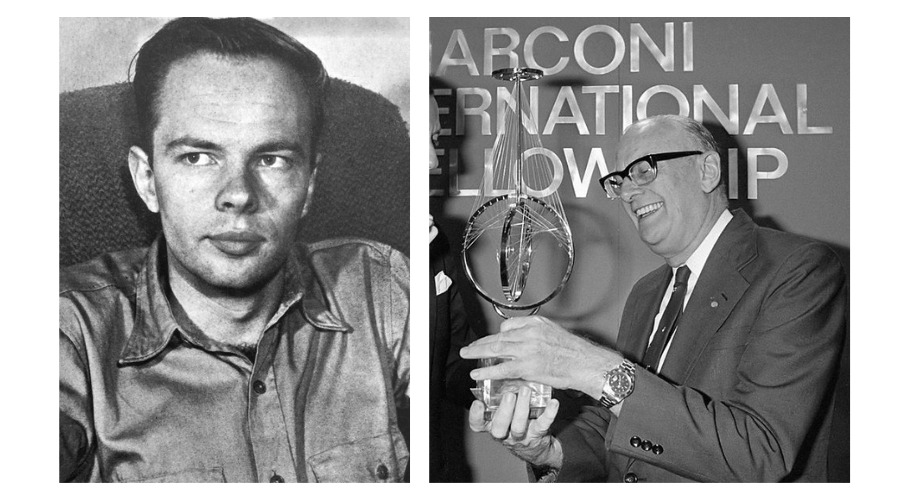
Dick in the 1960s
Clarke receives the Marconi International Fellowship Award from Prince Claus of the Netherlands in 1982
Cold War Anxieties in Alien Narratives
While visionary authors investigated humanity's future through their writing, the shadow of Cold War politics loomed large over 1960s science fiction. You'll find that alien invasion stories served as powerful metaphors for the era's fears of communist infiltration, with films like Invasion of the Body Snatchers reflecting deep anxieties about losing individual identity.
The space race between the U.S. and USSR altered into captivating narratives about interplanetary conflicts and colonial ambitions among the stars. At the same time, science fiction portrayed aliens as either menacing adversaries or mysterious unknowns, mirroring the period's tense ideological divide.
During this time of global uncertainty, the genre even ventured into psychedelic territory, exploring altered consciousness and questioning what it meant to be human in an increasingly precarious Cold War world. The launch of Sputnik 1 in 1957 intensified these cosmic anxieties, as the Soviet achievement sparked both wonder and fear about humanity's reach into space.
Revolutionary Special Effects and Visual Innovation
Special effects in 1960s science fiction pushed creative boundaries that would influence generations of filmmakers to come. You'll find groundbreaking visual effects in 2001: A Space Odyssey, where Kubrick's team pioneered slit-scan photography to create the mesmerizing Star Gate sequence. This advanced technology set new standards for what was possible in cinema.
While Space Odyssey captivated headlines, other films showed remarkable innovation. The Ship of Monsters enthralled with its miniature work and vibrant Venusian atmospheres, while The Phantom Planet crafted realistic asteroid models. You'll spot clever low-budget solutions in The Moon Murderers, featuring ultrasound showers and aluminum chair spacecraft. Even Day the Earth Caught Fire pushed boundaries with its orange-tinted finale scenes. These achievements laid the foundation for future visual effects that would make Philip K. Dick's wildest dreams possible.
The Rise of Hard Science in Fiction
Beyond the dazzling visual effects that defined sci-fi cinema, a parallel revolution was taking place on the written page. Science fiction had begun to embrace a more rigorous approach, with authors grounding their narratives in hard science rather than pure fantasy.
You'll find this shift exemplified in Isaac Asimov's work, where complex scientific concepts were distilled into digestible stories. Arthur C. Clarke's realistic predictions in "2001: A Space Odyssey" demonstrated how closely fiction could mirror potential futures.
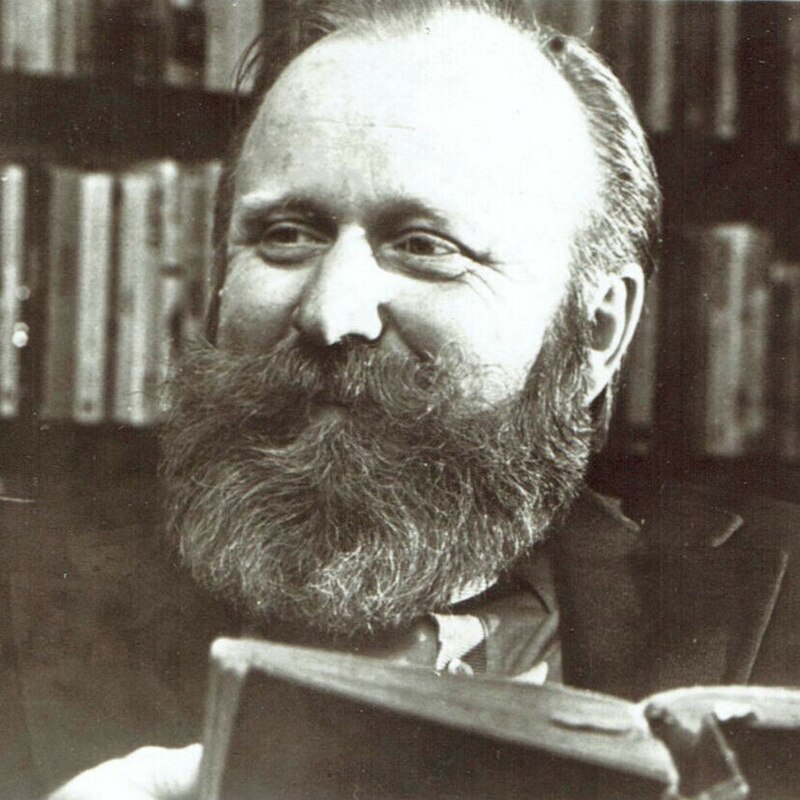
Robert A. Heinlein challenged readers with scientifically-informed political narratives, while Frank Herbert's "Dune" skillfully wove ecological science into its epic storytelling. This new wave of authors proved that meticulous attention to scientific detail didn't have to compromise captivating storytelling - it could enhance it, creating more credible and thought-provoking narratives.
Social Commentary Through Extraterrestrial Tales
Science fiction authors of the 1960s adapted extraterrestrial tales into powerful vehicles for social criticism. You'll find this exemplified in Ursula K. Le Guin's The Left Hand of Darkness, where she challenged gender norms through alien societies, forcing readers to examine their own cultural assumptions.
Frank Herbert's Dune tackled environmental concerns and political power struggles, mirroring the era's Cold War tensions and emerging ecological awareness.
Meanwhile, Philip K. Dick's Do Androids Dream of Electric Sheep? investigated humanity's relationship with technology and consciousness as the world grappled with rapid technological change. These authors didn't just write about distant planets and alien species - they used these elements to hold up a mirror to society's most pressing issues, from civil rights to militarism, making science fiction a powerful tool for social commentary.
Women Pioneers in 1960s Science Fiction
While male authors dominated the science fiction domain, female writers emerged as powerful voices of innovation and rebellion in 1960s sci-fi. You'll find Ursula K. Le Guin's pioneering exploration of gender norms in The Left Hand of Darkness standing alongside Joanna Russ's satirical takedown of patriarchal structures in The Female Man.
The mysterious James Tiptree Jr., later revealed as Alice Sheldon, brought a unique blend of horror and sci-fi that challenged genre conventions. Marion Zimmer Bradley's Darkover series expanded the boundaries of interplanetary storytelling with its complex gender dynamics.
As New Wave science fiction gained momentum, Octavia E. Butler's trailblazing works like Kindred and Parable of the Sower confronted race and power structures head-on. These women didn't just write sci-fi—they revolutionized it.
From Page to Screen: Notable Adaptations
Transposing literary science fiction into captivating cinema proved both challenging and pioneering during the 1960s and beyond. You'll find perhaps no better example than 2001: A Space Odyssey, where Kubrick and Clarke's revolutionary approach of developing the novel and film simultaneously created an unprecedented sci-fi experience.
While adaptations like Fahrenheit 451 and Dune brought beloved novels to the screen, it was Philip K. Dick's work that sparked one of sci-fi's most influential films: Blade Runner. Even controversial works like Heinlein's Starship Troopers and Stranger in a Strange Land found their way to theaters, though their complex social commentary often proved difficult to translate.
These adaptations weren't always immediate hits - you might be surprised to learn that 2001 initially faced walkouts before securing its place as a classic.